Used Subaru for Sale Near Me
Describe what you’re looking for
BETA
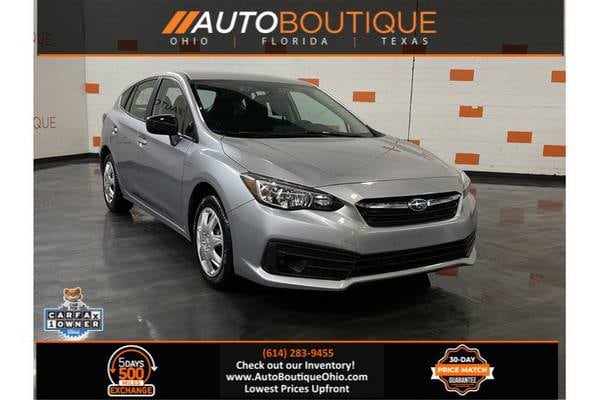
Located in Columbus, OH / 16 miles away from Columbus, OH
Auto Boutique is proud to offer excellent, pre-owned vehicles. With our no haggle pricing policy you can be sure you're getting the best deal possible...
Accident Free Vehicle: Yes
Personal Use Only: Yes
History Provider: AutoCheck
Title Details: Clean Title
Salvage Vehicle: No
Frame Damage: No
Theft History: No
Lemon Status: No
Free History Report: No
Features and Specs:
31 Combined MPG (28 City/36 Highway)
Listing Information:
VIN: 4S3GTAB66N3721264
Stock: X5624
Certified Pre-Owned: No
Listed since: 04-02-2024
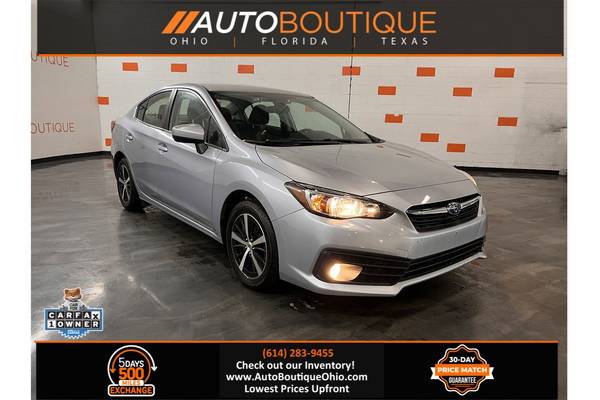
Located in Columbus, OH / 16 miles away from Columbus, OH
Auto Boutique is proud to offer excellent, pre-owned vehicles. With our no haggle pricing policy you can be sure you're getting the best deal possible...
Accident Free Vehicle: No
Personal Use Only: Yes
History Provider: AutoCheck
Title Details: Clean Title
Salvage Vehicle: No
Frame Damage: No
Theft History: No
Lemon Status: No
Free History Report: No
Features and Specs:
32 Combined MPG (28 City/36 Highway)
Listing Information:
VIN: 4S3GKAV61N3607591
Stock: X5602
Certified Pre-Owned: No
Listed since: 03-29-2024

Located in Columbus, OH / 16 miles away from Columbus, OH
Auto Boutique is proud to offer excellent, pre-owned vehicles. With our no haggle pricing policy you can be sure you're getting the best deal possible...
Accident Free Vehicle: Yes
Personal Use Only: Yes
History Provider: AutoCheck
Title Details: Clean Title
Salvage Vehicle: No
Frame Damage: No
Theft History: No
Lemon Status: No
Free History Report: No
Features and Specs:
29 Combined MPG (26 City/33 Highway)
Listing Information:
VIN: JF2SKADC0MH553186
Stock: X5672
Certified Pre-Owned: No
Listed since: 04-04-2024

Located in Columbus, OH / 16 miles away from Columbus, OH
Accident Free Vehicle: No
Personal Use Only: Yes
History Provider: AutoCheck
Title Details: Clean Title
Salvage Vehicle: No
Frame Damage: No
Theft History: No
Lemon Status: No
Free History Report: No
Features and Specs:
28 Combined MPG (25 City/32 Highway)
Listing Information:
VIN: 4S4BSAHC4K3231147
Stock: X5636
Certified Pre-Owned: No
Listed since: 04-02-2024
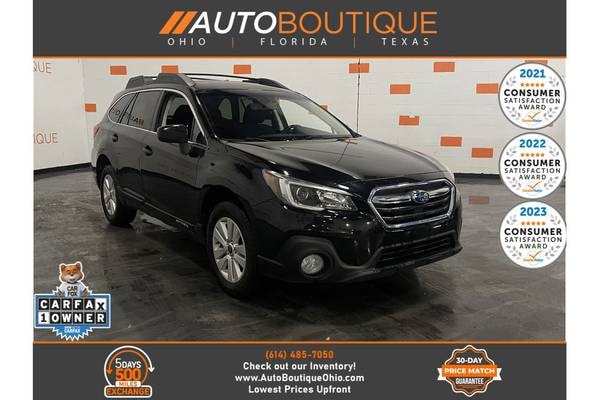
Located in Columbus, OH / 16 miles away from Columbus, OH
Auto Boutique is proud to offer excellent, pre-owned vehicles. With our no haggle pricing policy you can be sure you're getting the best deal possible...
Accident Free Vehicle: Yes
Personal Use Only: Yes
History Provider: AutoCheck
Title Details: Clean Title
Salvage Vehicle: No
Frame Damage: No
Theft History: No
Lemon Status: No
Free History Report: No
Features and Specs:
28 Combined MPG (25 City/32 Highway)
Listing Information:
VIN: 4S4BSAFC7K3327485
Stock: X4160
Certified Pre-Owned: No
Listed since: 12-14-2023

Located in Columbus, OH / 4 miles away from Columbus, OH
This Subaru Certified Vehicle for sale includes these *DESIRED FEATURES:* AWD, Rear Camera, Leather, Vista Roof, Navigation, Remote Start, Htd Seats, ...
Accident Free Vehicle: Yes
Personal Use Only: Yes
History Provider: AutoCheck
Title Details: Clean Title
Salvage Vehicle: No
Frame Damage: No
Theft History: No
Lemon Status: No
Free History Report: No
Features and Specs:
29 Combined MPG (26 City/33 Highway)
Listing Information:
VIN: 4S4BTANC5N3207719
Stock: I241791A
Certified Pre-Owned: Yes
Listed since: 03-07-2024

Located in Columbus, OH / 16 miles away from Columbus, OH
Auto Boutique is proud to offer excellent, pre-owned vehicles. With our no haggle pricing policy you can be sure you're getting the best deal possible...
Accident Free Vehicle: Yes
Personal Use Only: Yes
History Provider: AutoCheck
Title Details: Clean Title
Salvage Vehicle: No
Frame Damage: No
Theft History: No
Lemon Status: No
Free History Report: No
Features and Specs:
29 Combined MPG (26 City/33 Highway)
Listing Information:
VIN: JF2SKADC4MH539498
Stock: X5680
Certified Pre-Owned: No
Listed since: 04-03-2024
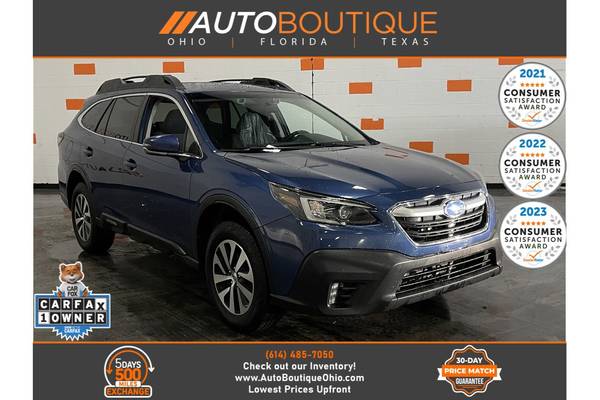
Located in Columbus, OH / 16 miles away from Columbus, OH
Auto Boutique is proud to offer excellent, pre-owned vehicles. With our no haggle pricing policy you can be sure you're getting the best deal possible...
Accident Free Vehicle: Yes
Personal Use Only: Yes
History Provider: AutoCheck
Title Details: Clean Title
Salvage Vehicle: No
Frame Damage: No
Theft History: No
Lemon Status: No
Free History Report: No
Features and Specs:
29 Combined MPG (26 City/33 Highway)
Listing Information:
VIN: 4S4BTACC7M3195655
Stock: X4149
Certified Pre-Owned: No
Listed since: 12-14-2023
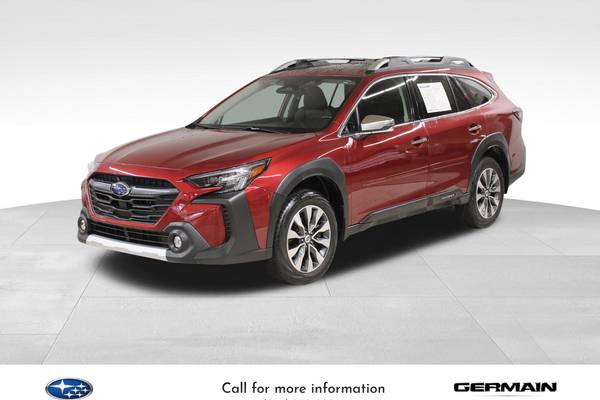
Located in Columbus, OH / 17 miles away from Columbus, OH
Absolutely Loaded! Beautiful Crimson Red Pearl Touring Outback. Fresh Trade. Super Clean! Navigation System, Power moonroof, 12 Speakers, 3.90 Axle R...
Accident Free Vehicle: Yes
Personal Use Only: Yes
History Provider: AutoCheck
Title Details: Clean Title
Salvage Vehicle: No
Frame Damage: No
Theft History: No
Lemon Status: No
Free History Report: No
Features and Specs:
28 Combined MPG (26 City/32 Highway)
Listing Information:
VIN: 4S4BTAPCXP3138963
Stock: SP3138963
Certified Pre-Owned: No
Listed since: 04-01-2024

Located in Columbus, OH / 16 miles away from Columbus, OH
Auto Boutique is proud to offer excellent, pre-owned vehicles. With our no haggle pricing policy you can be sure you're getting the best deal possible...
Accident Free Vehicle: Yes
Personal Use Only: Yes
History Provider: AutoCheck
Title Details: Clean Title
Salvage Vehicle: No
Frame Damage: No
Theft History: No
Lemon Status: No
Free History Report: No
Features and Specs:
23 Combined MPG (21 City/27 Highway)
Listing Information:
VIN: 4S4WMAAD6M3443629
Stock: X5589
Certified Pre-Owned: No
Listed since: 03-29-2024

Located in Columbus, OH / 16 miles away from Columbus, OH
Black 2020 Subaru Crosstrek Premium AWD Lineartronic CVT 2.0L DOHC Recent Arrival! 27/33 City/Highway MPG Awards: * ALG Residual Value Awards, Res...
Accident Free Vehicle: Yes
Personal Use Only: Yes
History Provider: AutoCheck
Title Details: Clean Title
Salvage Vehicle: No
Frame Damage: No
Theft History: No
Lemon Status: No
Free History Report: No
Features and Specs:
30 Combined MPG (27 City/33 Highway)
Listing Information:
VIN: JF2GTAEC7L8209242
Stock: WL8209242
Certified Pre-Owned: No
Listed since: 04-04-2024
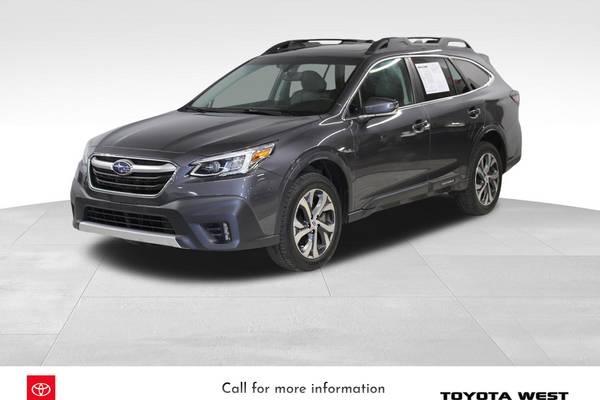
Located in Columbus, OH / 16 miles away from Columbus, OH
12 Speakers, 3.90 Axle Ratio, 4-Wheel Disc Brakes, ABS brakes, Air Conditioning, Alloy wheels, AM/FM radio: SiriusXM, Auto High-beam Headlights, Auto-...
Accident Free Vehicle: Yes
Personal Use Only: Yes
History Provider: AutoCheck
Title Details: Clean Title
Salvage Vehicle: No
Frame Damage: No
Theft History: No
Lemon Status: No
Free History Report: No
Features and Specs:
29 Combined MPG (26 City/33 Highway)
Listing Information:
VIN: 4S4BTANC9L3213116
Stock: TL3213116
Certified Pre-Owned: No
Listed since: 03-07-2024

Located in Columbus, OH / 16 miles away from Columbus, OH
Auto Boutique is proud to offer excellent, pre-owned vehicles. With our no haggle pricing policy you can be sure you're getting the best deal possible...
Accident Free Vehicle: Yes
Personal Use Only: Yes
History Provider: AutoCheck
Title Details: Clean Title
Salvage Vehicle: No
Frame Damage: No
Theft History: No
Lemon Status: No
Free History Report: No
Features and Specs:
28 Combined MPG (25 City/33 Highway)
Listing Information:
VIN: 4S4BSACC4F3244428
Stock: X5264
Certified Pre-Owned: No
Listed since: 03-05-2024

Located in Columbus, OH / 17 miles away from Columbus, OH
Loaded! Like New 24 Limited Outback. Fresh out of our Courtesy Fleet. Great Value! DriverFocus (Driver Monitoring System), Heated Steering Wheel, Nav...
Accident Free Vehicle: Yes
Personal Use Only: No
History Provider: AutoCheck
Title Details: Clean Title
Salvage Vehicle: No
Frame Damage: No
Theft History: No
Lemon Status: No
Free History Report: No
Features and Specs:
28 Combined MPG (26 City/32 Highway)
Listing Information:
VIN: 4S4BTANC5R3137144
Stock: SR3137144
Certified Pre-Owned: No
Listed since: 02-19-2024

Located in Columbus, OH / 17 miles away from Columbus, OH
Forester. Sport. Just over 15,000 miles. This off-lease Forester is a gem - clean CarFax, 1 previous owner. Subaru Certified Pre-Owned! You won't w...
Accident Free Vehicle: Yes
Personal Use Only: Yes
History Provider: AutoCheck
Title Details: Clean Title
Salvage Vehicle: No
Frame Damage: No
Theft History: No
Lemon Status: No
Free History Report: No
Features and Specs:
29 Combined MPG (26 City/33 Highway)
Listing Information:
VIN: JF2SKARC2MH506797
Stock: SMH506797
Certified Pre-Owned: Yes
Listed since: 03-16-2024

Located in Columbus, OH / 16 miles away from Columbus, OH
Auto Boutique is proud to offer excellent, pre-owned vehicles. With our no haggle pricing policy you can be sure you're getting the best deal possible...
Accident Free Vehicle: Yes
Personal Use Only: Yes
History Provider: AutoCheck
Title Details: Clean Title
Salvage Vehicle: No
Frame Damage: No
Theft History: No
Lemon Status: No
Free History Report: No
Features and Specs:
29 Combined MPG (26 City/33 Highway)
Listing Information:
VIN: 4S4BTADC8N3213497
Stock: X5857
Certified Pre-Owned: No
Listed since: 04-25-2024

Located in Columbus, OH / 16 miles away from Columbus, OH
Auto Boutique is proud to offer excellent, pre-owned vehicles. With our no haggle pricing policy you can be sure you're getting the best deal possible...
Accident Free Vehicle: Yes
Personal Use Only: Yes
History Provider: AutoCheck
Title Details: Clean Title
Salvage Vehicle: No
Frame Damage: No
Theft History: No
Lemon Status: No
Free History Report: No
Features and Specs:
23 Combined MPG (21 City/27 Highway)
Listing Information:
VIN: 4S4WMAAD2M3448519
Stock: X5373
Certified Pre-Owned: No
Listed since: 03-12-2024
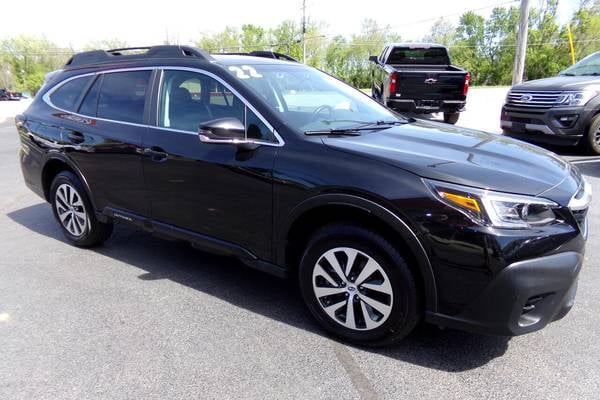
Located in Columbus, OH / 16 miles away from Columbus, OH
Auto Boutique is proud to offer excellent, pre-owned vehicles. With our no haggle pricing policy you can be sure you're getting the best deal possible...
Accident Free Vehicle: Yes
Personal Use Only: Yes
History Provider: AutoCheck
Title Details: Clean Title
Salvage Vehicle: No
Frame Damage: No
Theft History: No
Lemon Status: No
Free History Report: No
Features and Specs:
29 Combined MPG (26 City/33 Highway)
Listing Information:
VIN: 4S4BTADC1N3146578
Stock: X5841
Certified Pre-Owned: No
Listed since: 04-24-2024

Located in Columbus, OH / 16 miles away from Columbus, OH
17" x 7.0" Aluminum Alloy w/Silver Finish Wheels, 4-Wheel Disc Brakes, 4.111 Axle Ratio, 6 Speakers, ABS brakes, Adaptive Cruise Control, Air Conditio...
Accident Free Vehicle: Yes
Personal Use Only: Yes
History Provider: AutoCheck
Title Details: Clean Title
Salvage Vehicle: No
Frame Damage: No
Theft History: No
Lemon Status: No
Free History Report: No
Features and Specs:
28 Combined MPG (25 City/32 Highway)
Listing Information:
VIN: 4S4BSAFC1H3323831
Stock: TH3323831
Certified Pre-Owned: No
Listed since: 03-25-2024
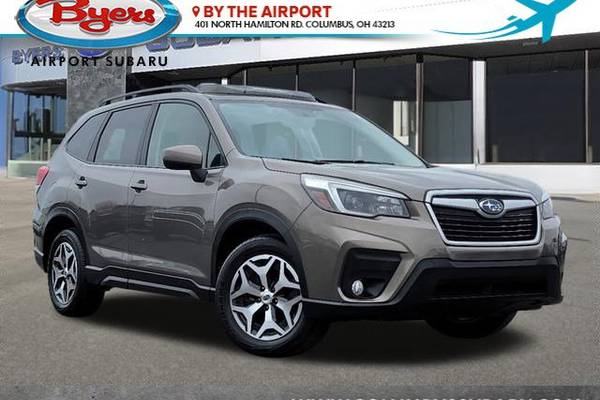
Located in Columbus, OH / 4 miles away from Columbus, OH
AWD, Rear Camera, Vista Roof, Remote Start, Htd Seats, Apple CarPlay, Android Auto, SiriusXM, Power Sliding Doors, Lane Departure Warning, Bluetooth, ...
Accident Free Vehicle: Yes
Personal Use Only: Yes
History Provider: AutoCheck
Title Details: Clean Title
Salvage Vehicle: No
Frame Damage: No
Theft History: No
Lemon Status: No
Free History Report: No
Features and Specs:
29 Combined MPG (26 City/33 Highway)
Listing Information:
VIN: JF2SKAJC6MH485481
Stock: I31102
Certified Pre-Owned: Yes
Listed since: 03-05-2024
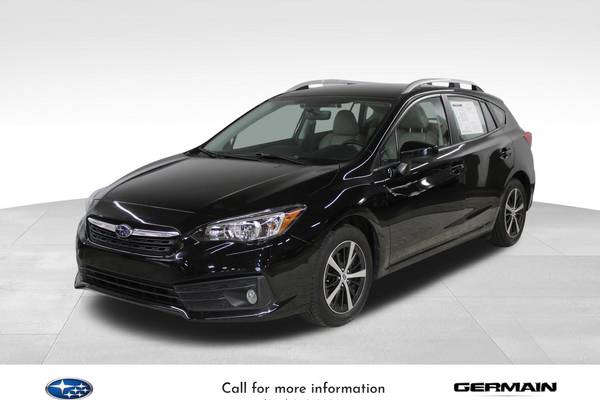
Located in Columbus, OH / 17 miles away from Columbus, OH
What do I look for in a pre-owned car? Candy in the glove box and energy drinks in the cupholders. Sadly this doesn't have those. It does have a cl...
Accident Free Vehicle: Yes
Personal Use Only: Yes
History Provider: AutoCheck
Title Details: Clean Title
Salvage Vehicle: No
Frame Damage: No
Theft History: No
Lemon Status: No
Free History Report: No
Features and Specs:
31 Combined MPG (28 City/36 Highway)
Listing Information:
VIN: 4S3GTAV63P3702282
Stock: SP3702282
Certified Pre-Owned: No
Listed since: 04-01-2024
* Delivery of any kind does not apply to Alaska and Hawaii. Contact the dealer for delivery details, restrictions and costs.

