Used Chevrolet Volt for Sale Near Me
Describe what you’re looking for
BETA
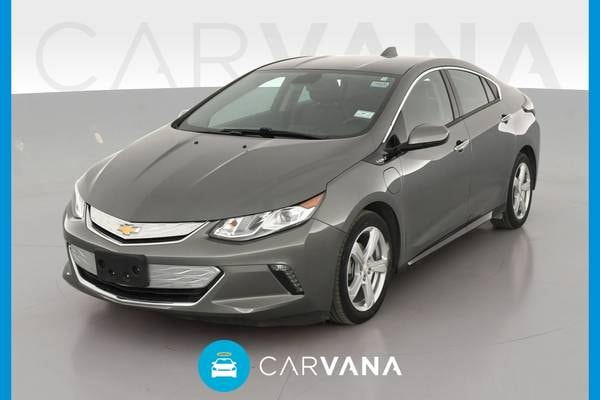
Located in Oklahoma City, OK / 860 miles away from Columbus, OH
At Carvana, we go miles beyond the extra mile. That's why we provide you with a convenient, fast, and hassle-free car buying experience that puts you ...
Accident Free Vehicle: Yes
Personal Use Only: Yes
History Provider: AutoCheck
Title Details: Clean Title
Salvage Vehicle: No
Frame Damage: No
Theft History: No
Lemon Status: No
Free History Report: No
Features and Specs:
42 Combined MPG (N/A City/N/A Highway)
Listing Information:
VIN: 1G1RA6S50HU135072
Stock: 2002782597
Certified Pre-Owned: No
Listed since: 03-08-2024

Located in Sacramento, CA / 2,051 miles away from Columbus, OH
At Carvana, we go miles beyond the extra mile. That's why we provide you with a convenient, fast, and hassle-free car buying experience that puts you ...
Accident Free Vehicle: Yes
Personal Use Only: Yes
History Provider: AutoCheck
Title Details: Clean Title
Salvage Vehicle: No
Frame Damage: No
Theft History: No
Lemon Status: No
Free History Report: No
Features and Specs:
42 Combined MPG (43 City/42 Highway)
Listing Information:
VIN: 1G1RC6S50JU144628
Stock: 2002852874
Certified Pre-Owned: No
Listed since: 04-15-2024

Located in Sacramento, CA / 2,051 miles away from Columbus, OH
At Carvana, we go miles beyond the extra mile. That's why we provide you with a convenient, fast, and hassle-free car buying experience that puts you ...
Accident Free Vehicle: Yes
Personal Use Only: Yes
History Provider: AutoCheck
Title Details: Clean Title
Salvage Vehicle: No
Frame Damage: No
Theft History: No
Lemon Status: No
Free History Report: No
Features and Specs:
37 Combined MPG (35 City/40 Highway)
Listing Information:
VIN: 1G1RD6E48FU104756
Stock: 2002805663
Certified Pre-Owned: No
Listed since: 03-21-2024
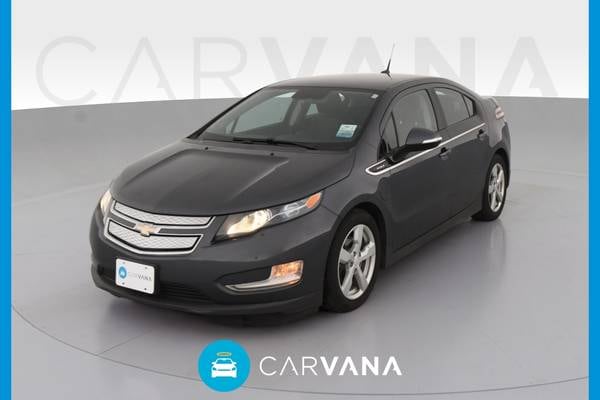
Located in Indianapolis, IN / 177 miles away from Columbus, OH
At Carvana, we go miles beyond the extra mile. That's why we provide you with a convenient, fast, and hassle-free car buying experience that puts you ...
Accident Free Vehicle: Yes
Personal Use Only: Yes
History Provider: AutoCheck
Title Details: Clean Title
Salvage Vehicle: No
Frame Damage: No
Theft History: No
Lemon Status: No
Free History Report: No
Features and Specs:
37 Combined MPG (35 City/40 Highway)
Listing Information:
VIN: 1G1RB6E49DU130835
Stock: 2002786699
Certified Pre-Owned: No
Listed since: 03-15-2024

Located in Indianapolis, IN / 177 miles away from Columbus, OH
At Carvana, we go miles beyond the extra mile. That's why we provide you with a convenient, fast, and hassle-free car buying experience that puts you ...
Accident Free Vehicle: Yes
Personal Use Only: Yes
History Provider: AutoCheck
Title Details: Clean Title
Salvage Vehicle: No
Frame Damage: No
Theft History: No
Lemon Status: No
Free History Report: No
Features and Specs:
42 Combined MPG (43 City/42 Highway)
Listing Information:
VIN: 1G1RA6S5XJU153066
Stock: 2002843914
Certified Pre-Owned: No
Listed since: 04-05-2024

Located in Indianapolis, IN / 177 miles away from Columbus, OH
At Carvana, we go miles beyond the extra mile. That's why we provide you with a convenient, fast, and hassle-free car buying experience that puts you ...
Accident Free Vehicle: Yes
Personal Use Only: No
History Provider: AutoCheck
Title Details: Clean Title
Salvage Vehicle: No
Frame Damage: No
Theft History: No
Lemon Status: No
Free History Report: No
Features and Specs:
42 Combined MPG (N/A City/N/A Highway)
Listing Information:
VIN: 1G1RC6S5XHU213934
Stock: 2002815665
Certified Pre-Owned: No
Listed since: 03-23-2024
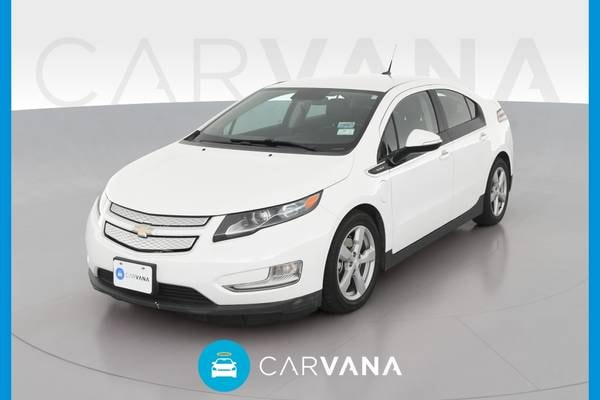
Located in Sacramento, CA / 2,051 miles away from Columbus, OH
At Carvana, we go miles beyond the extra mile. That's why we provide you with a convenient, fast, and hassle-free car buying experience that puts you ...
Accident Free Vehicle: Yes
Personal Use Only: Yes
History Provider: AutoCheck
Title Details: Clean Title
Salvage Vehicle: No
Frame Damage: No
Theft History: No
Lemon Status: No
Free History Report: No
Features and Specs:
37 Combined MPG (35 City/40 Highway)
Listing Information:
VIN: 1G1RH6E49EU161096
Stock: 2002841072
Certified Pre-Owned: No
Listed since: 04-09-2024
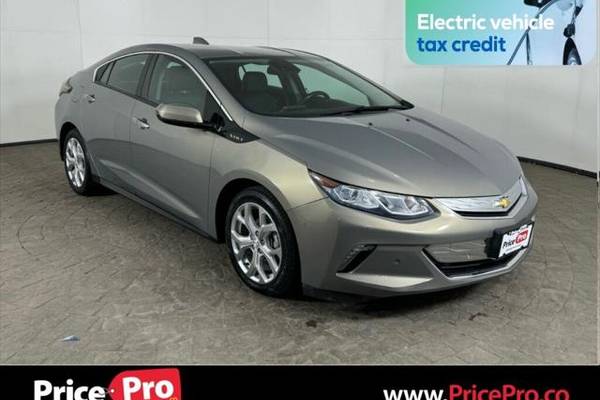
Located in Maumee, OH / 115 miles away from Columbus, OH
*** This vehicle is priced including the IRC 25E tax credit of $4000 or 30% of the sale price, whichever is less. The sale price assumes the assignmen...
Accident Free Vehicle: Yes
Personal Use Only: No
History Provider: AutoCheck
Title Details: Clean Title
Salvage Vehicle: No
Frame Damage: No
Theft History: No
Lemon Status: No
Free History Report: No
Features and Specs:
42 Combined MPG (N/A City/N/A Highway)
Listing Information:
VIN: 1G1RD6S53HU154125
Stock: CV22690GB
Certified Pre-Owned: No
Listed since: 03-19-2024

Located in Cleveland, OH / 116 miles away from Columbus, OH
At Carvana, we go miles beyond the extra mile. That's why we provide you with a convenient, fast, and hassle-free car buying experience that puts you ...
Accident Free Vehicle: Yes
Personal Use Only: Yes
History Provider: AutoCheck
Title Details: Clean Title
Salvage Vehicle: No
Frame Damage: No
Theft History: No
Lemon Status: No
Free History Report: No
Features and Specs:
42 Combined MPG (43 City/42 Highway)
Listing Information:
VIN: 1G1RB6S53JU110220
Stock: 2002864410
Certified Pre-Owned: No
Listed since: 04-12-2024
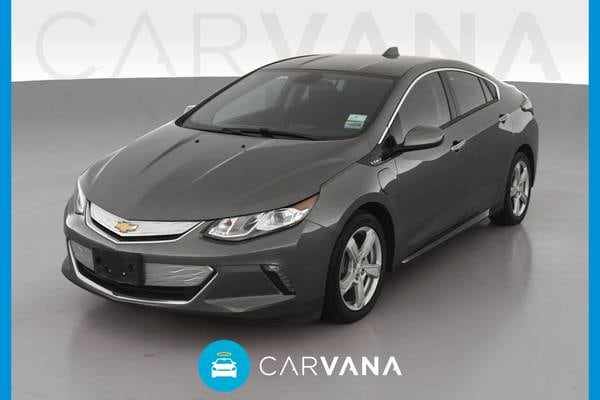
Located in Dallas, TX / 920 miles away from Columbus, OH
At Carvana, we go miles beyond the extra mile. That's why we provide you with a convenient, fast, and hassle-free car buying experience that puts you ...
Accident Free Vehicle: No
Personal Use Only: No
History Provider: AutoCheck
Title Details: Clean Title
Salvage Vehicle: No
Frame Damage: No
Theft History: No
Lemon Status: No
Free History Report: No
Features and Specs:
42 Combined MPG (N/A City/N/A Highway)
Listing Information:
VIN: 1G1RC6S50GU129216
Stock: 2002798916
Certified Pre-Owned: No
Listed since: 03-16-2024
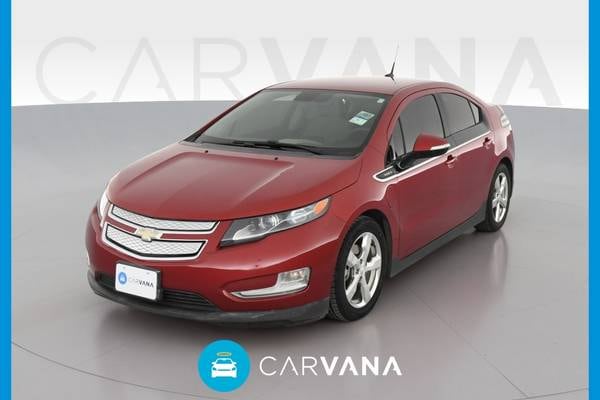
Located in Salt Lake City, UT / 1,519 miles away from Columbus, OH
At Carvana, we go miles beyond the extra mile. That's why we provide you with a convenient, fast, and hassle-free car buying experience that puts you ...
Accident Free Vehicle: Yes
Personal Use Only: Yes
History Provider: AutoCheck
Title Details: Clean Title
Salvage Vehicle: No
Frame Damage: No
Theft History: No
Lemon Status: No
Free History Report: No
Features and Specs:
37 Combined MPG (35 City/40 Highway)
Listing Information:
VIN: 1G1RD6E47DU111310
Stock: 2002716774
Certified Pre-Owned: No
Listed since: 03-06-2024

Located in Richmond, VA / 327 miles away from Columbus, OH
At Carvana, we go miles beyond the extra mile. That's why we provide you with a convenient, fast, and hassle-free car buying experience that puts you ...
Accident Free Vehicle: Yes
Personal Use Only: Yes
History Provider: AutoCheck
Title Details: Clean Title
Salvage Vehicle: No
Frame Damage: No
Theft History: No
Lemon Status: No
Free History Report: No
Features and Specs:
37 Combined MPG (35 City/40 Highway)
Listing Information:
VIN: 1G1RA6E47EU174840
Stock: 2002723172
Certified Pre-Owned: No
Listed since: 02-10-2024
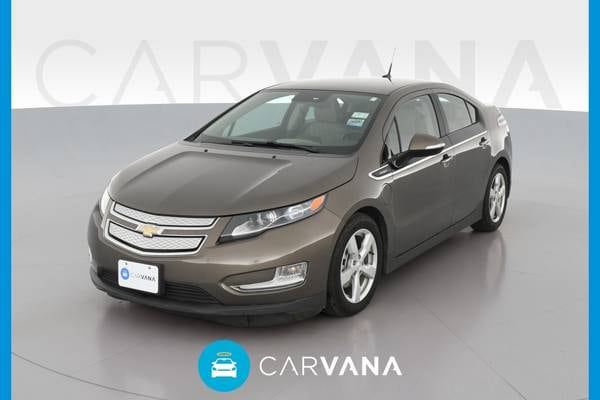
Located in Salt Lake City, UT / 1,519 miles away from Columbus, OH
At Carvana, we go miles beyond the extra mile. That's why we provide you with a convenient, fast, and hassle-free car buying experience that puts you ...
Accident Free Vehicle: Yes
Personal Use Only: Yes
History Provider: AutoCheck
Title Details: Clean Title
Salvage Vehicle: No
Frame Damage: No
Theft History: No
Lemon Status: No
Free History Report: No
Features and Specs:
37 Combined MPG (35 City/40 Highway)
Listing Information:
VIN: 1G1RA6E49EU174080
Stock: 2002848864
Certified Pre-Owned: No
Listed since: 04-11-2024
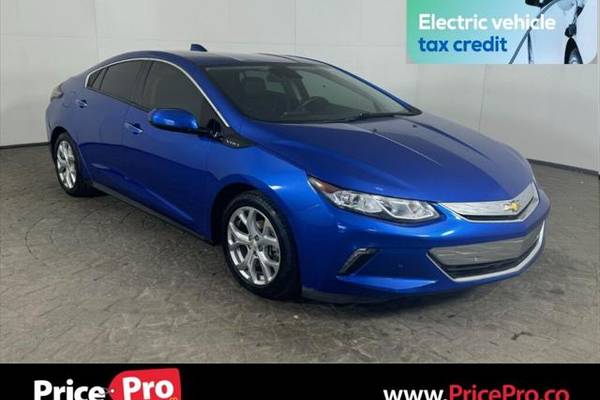
Located in Maumee, OH / 115 miles away from Columbus, OH
Super Nice Car!! Navigation System, Heated Seats, Leather Seats, Backup Camera, Bluetooth. *** This vehicle is priced including the IRC 25E tax credit...
Accident Free Vehicle: Yes
Personal Use Only: Yes
History Provider: AutoCheck
Title Details: Clean Title
Salvage Vehicle: No
Frame Damage: No
Theft History: No
Lemon Status: No
Free History Report: No
Features and Specs:
42 Combined MPG (N/A City/N/A Highway)
Listing Information:
VIN: 1G1RB6S52HU102555
Stock: CV22826GB
Certified Pre-Owned: No
Listed since: 04-10-2024

Located in Salt Lake City, UT / 1,519 miles away from Columbus, OH
At Carvana, we go miles beyond the extra mile. That's why we provide you with a convenient, fast, and hassle-free car buying experience that puts you ...
Accident Free Vehicle: Yes
Personal Use Only: Yes
History Provider: AutoCheck
Title Details: Clean Title
Salvage Vehicle: No
Frame Damage: No
Theft History: No
Lemon Status: No
Free History Report: No
Features and Specs:
37 Combined MPG (35 City/40 Highway)
Listing Information:
VIN: 1G1RB6E42DU108871
Stock: 2002804976
Certified Pre-Owned: No
Listed since: 03-26-2024
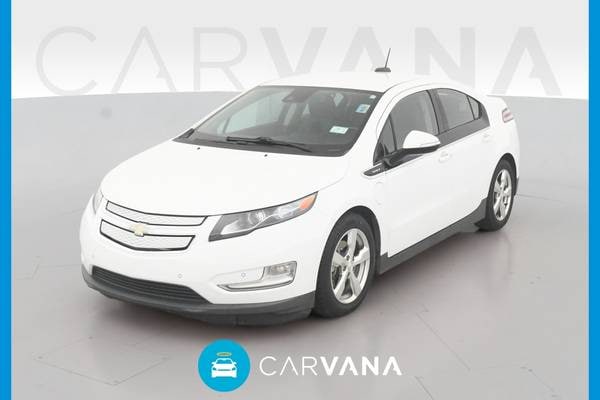
Located in Atlanta, GA / 441 miles away from Columbus, OH
At Carvana, we go miles beyond the extra mile. That's why we provide you with a convenient, fast, and hassle-free car buying experience that puts you ...
Accident Free Vehicle: Yes
Personal Use Only: Yes
History Provider: AutoCheck
Title Details: Clean Title
Salvage Vehicle: No
Frame Damage: No
Theft History: No
Lemon Status: No
Free History Report: No
Features and Specs:
37 Combined MPG (35 City/40 Highway)
Listing Information:
VIN: 1G1RB6E47FU103913
Stock: 2002864424
Certified Pre-Owned: No
Listed since: 04-17-2024
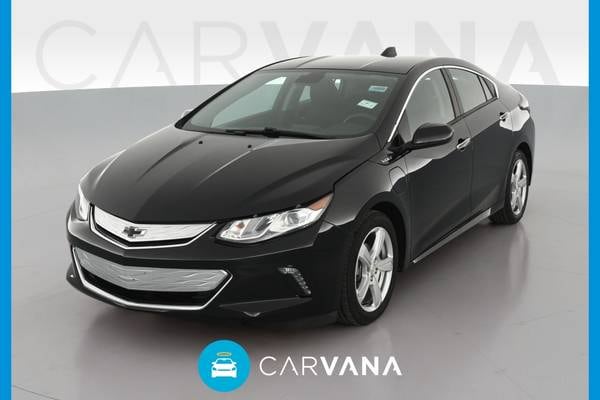
Located in Cleveland, OH / 116 miles away from Columbus, OH
At Carvana, we go miles beyond the extra mile. That's why we provide you with a convenient, fast, and hassle-free car buying experience that puts you ...
Accident Free Vehicle: Yes
Personal Use Only: No
History Provider: AutoCheck
Title Details: Clean Title
Salvage Vehicle: No
Frame Damage: No
Theft History: No
Lemon Status: No
Free History Report: No
Features and Specs:
42 Combined MPG (N/A City/N/A Highway)
Listing Information:
VIN: 1G1RC6S58HU217612
Stock: 2002864122
Certified Pre-Owned: No
Listed since: 04-17-2024

Located in Sacramento, CA / 2,051 miles away from Columbus, OH
At Carvana, we go miles beyond the extra mile. That's why we provide you with a convenient, fast, and hassle-free car buying experience that puts you ...
Accident Free Vehicle: Yes
Personal Use Only: No
History Provider: AutoCheck
Title Details: Clean Title
Salvage Vehicle: No
Frame Damage: No
Theft History: No
Lemon Status: No
Free History Report: No
Features and Specs:
42 Combined MPG (N/A City/N/A Highway)
Listing Information:
VIN: 1G1RC6S58HU202138
Stock: 2002822337
Certified Pre-Owned: No
Listed since: 04-25-2024
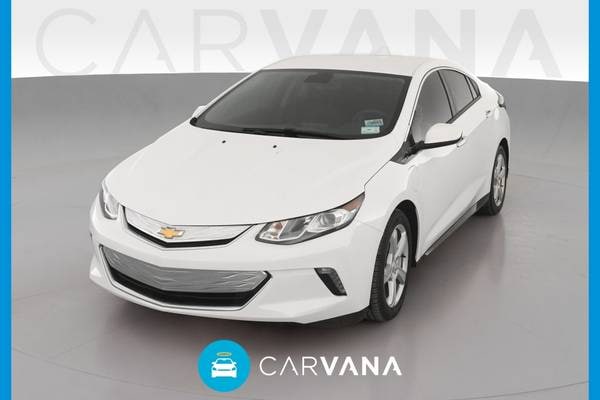
Located in Dallas, TX / 920 miles away from Columbus, OH
At Carvana, we go miles beyond the extra mile. That's why we provide you with a convenient, fast, and hassle-free car buying experience that puts you ...
Accident Free Vehicle: Yes
Personal Use Only: Yes
History Provider: AutoCheck
Title Details: Clean Title
Salvage Vehicle: No
Frame Damage: No
Theft History: No
Lemon Status: No
Free History Report: No
Features and Specs:
42 Combined MPG (43 City/42 Highway)
Listing Information:
VIN: 1G1RA6S59JU157545
Stock: 2002826623
Certified Pre-Owned: No
Listed since: 04-11-2024
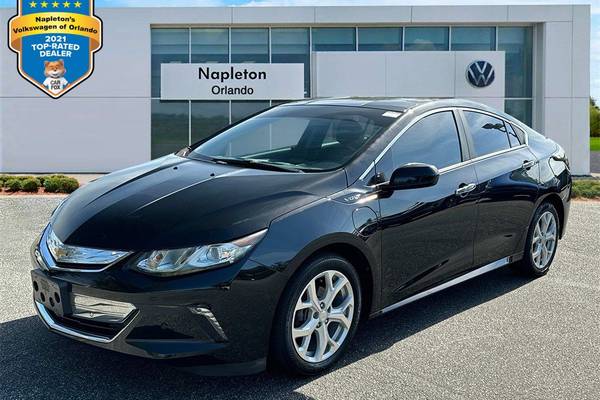
Located in Orlando, FL / 799 miles away from Columbus, OH
MOSAIC BLACK METALLIC, PREMIER PREFERRED EQUIPMENT GROUP includes Standard Equipment, JET BLACK/JET BLACK LEATHER-APPOINTED SEAT TRIM, AUDIO SYSTEM CH...
Accident Free Vehicle: Yes
Personal Use Only: Yes
History Provider: AutoCheck
Title Details: Clean Title
Salvage Vehicle: No
Frame Damage: No
Theft History: No
Lemon Status: No
Free History Report: No
Features and Specs:
42 Combined MPG (43 City/42 Highway)
Listing Information:
VIN: 1G1RD6S50JU137286
Stock: POH8411A
Certified Pre-Owned: No
Listed since: 04-12-2024
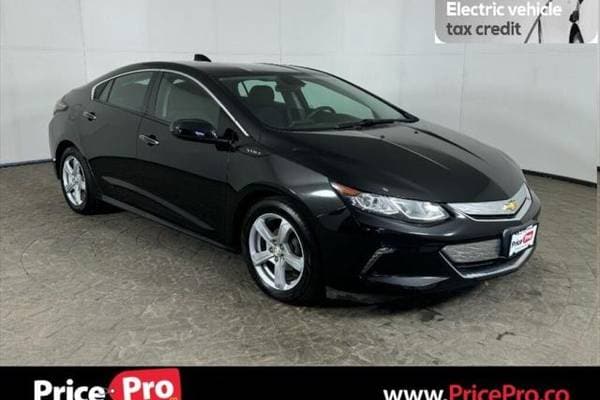
Located in Maumee, OH / 115 miles away from Columbus, OH
*** This vehicle is priced including the IRC 25E tax credit of $4000 or 30% of the sale price, whichever is less. The sale price assumes the assignmen...
Accident Free Vehicle: Yes
Personal Use Only: No
History Provider: AutoCheck
Title Details: Clean Title
Salvage Vehicle: No
Frame Damage: No
Theft History: No
Lemon Status: No
Free History Report: No
Features and Specs:
42 Combined MPG (N/A City/N/A Highway)
Listing Information:
VIN: 1G1RC6S54HU205585
Stock: CV22926GB
Certified Pre-Owned: No
Listed since: 04-18-2024
Edmunds has 843 Used Chevrolet Volts for sale near you, including a 2013 Volt Hatchback and a 2018 Volt LT Hatchback ranging in price from $11,990 to $20,990.
* Delivery of any kind does not apply to Alaska and Hawaii. Contact the dealer for delivery details, restrictions and costs.