Used Saab for Sale Near Me
Describe what you’re looking for
BETA
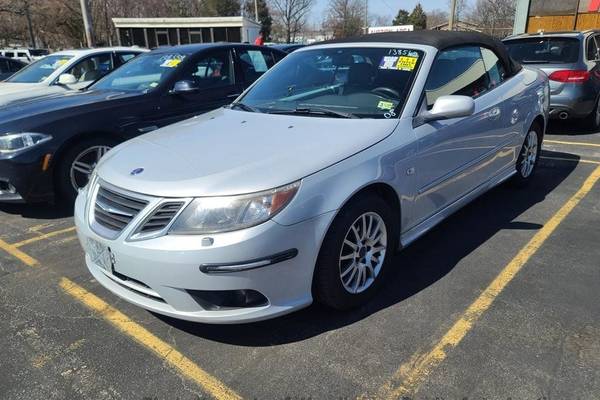
Located in Woodbridge, VA / 314 miles away from Columbus, OH
LOADED WITH VALUE! Comes equipped with: Air Conditioning. This Saab 9-3 also includes Power Driver's Seat, Clock, Climate Control, Tachometer, Multi-Z...
Accident Free Vehicle: No
Personal Use Only: Yes
History Provider: AutoCheck
Title Details: Clean Title
Salvage Vehicle: No
Frame Damage: No
Theft History: No
Lemon Status: No
Free History Report: No
Features and Specs:
22 Combined MPG (18 City/27 Highway)
Listing Information:
VIN: YS3FB79Y586008943
Stock: 138542
Certified Pre-Owned: No
Listed since: 03-08-2024

Located in Santa Clarita, CA / 1,982 miles away from Columbus, OH
FOR PARTS OR OFF ROAD ONLY. BRING A TOW TRUCK! THERE IS A PROBLEM W/ THE KEY. IT WONT START, NEEDS A NEW KEY CLICK HERE FOR MORE PICTURES WE ...
Accident Free Vehicle: No
Personal Use Only: Yes
History Provider: AutoCheck
Title Details: Clean Title
Salvage Vehicle: No
Frame Damage: No
Theft History: No
Lemon Status: No
Free History Report: No
Features and Specs:
21 Combined MPG (19 City/27 Highway)
Listing Information:
VIN: YS3FD79Y266006056
Stock: DF3242731S
Certified Pre-Owned: No

Located in Woodbridge, VA / 314 miles away from Columbus, OH
LOADED WITH VALUE! Comes equipped with: Air Conditioning. This Saab 9-3 also includes Power Driver's Seat, Clock, Climate Control, Tachometer, Cruise ...
Accident Free Vehicle: No
Personal Use Only: Yes
History Provider: AutoCheck
Title Details: Clean Title
Salvage Vehicle: No
Frame Damage: No
Theft History: No
Lemon Status: No
Free History Report: No
Features and Specs:
22 Combined MPG (19 City/28 Highway)
Listing Information:
VIN: YS3FD49Y171011049
Stock: 138622
Certified Pre-Owned: No
Listed since: 03-28-2024

Located in Arlington, VA / 318 miles away from Columbus, OH
2003 SAAB 9-3 Front with powerful 2.0L (121) DOHC MFI high-output turbocharged engine and driven only 114712 miles! Fully loaded and much more! CARFAX...
Accident Free Vehicle: No
Personal Use Only: No
History Provider: AutoCheck
Title Details: Clean Title
Salvage Vehicle: No
Frame Damage: No
Theft History: No
Lemon Status: No
Free History Report: No
Features and Specs:
23 Combined MPG (20 City/29 Highway)
Listing Information:
VIN: YS3DF78K837013906
Stock: 2056
Certified Pre-Owned: No
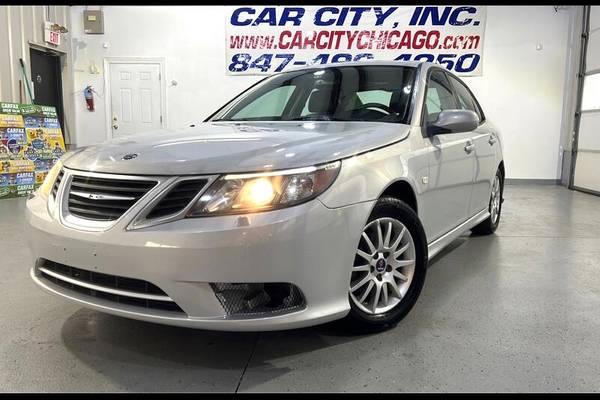
Located in Palatine, IL / 306 miles away from Columbus, OH
6-SPEED MANUAL TRANSMISSION!!! TURBO, LOW MILES, LOADED, LOOKS AND DRIVES GOOD, WELL MAINTAINED, NICE COLOR COMBINATION, LEATHER SEATS, POWER FRONT SE...
Accident Free Vehicle: No
Personal Use Only: Yes
History Provider: AutoCheck
Title Details: Clean Title
Salvage Vehicle: No
Frame Damage: No
Theft History: No
Lemon Status: No
Free History Report: No
Features and Specs:
23 Combined MPG (19 City/29 Highway)
Listing Information:
VIN: YS3FB46Y881114867
Stock: 4514
Certified Pre-Owned: No
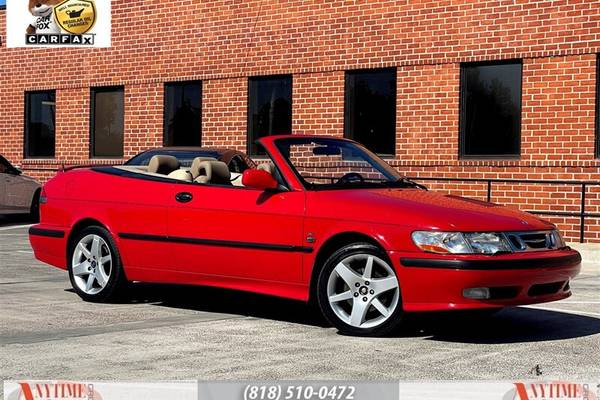
Located in Sherman Oaks, CA / 1,989 miles away from Columbus, OH
WE HAVE NO DEALER FEES EVER ON ANY ACCESSORIES** NO PAINT PROTECTION FEE** NO WINDOW TINTING FEE** NO THEFT PROTECTION FEE** 2002 Laser Red Saab 9-3 ...
Accident Free Vehicle: Yes
Personal Use Only: Yes
History Provider: AutoCheck
Title Details: Clean Title
Salvage Vehicle: No
Frame Damage: No
Theft History: No
Lemon Status: No
Free History Report: No
Features and Specs:
24 Combined MPG (20 City/30 Highway)
Listing Information:
VIN: YS3DF78KX27008348
Stock: 15165
Certified Pre-Owned: No
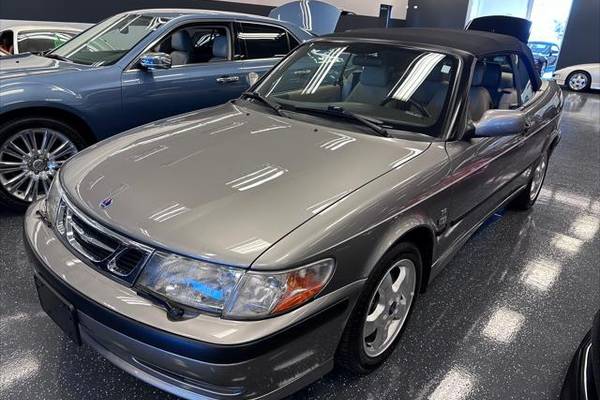
Located in Mesa, AZ / 1,656 miles away from Columbus, OH
TRADES WELCOME! THE BEST FINANCING AVAILABLE CREDIT UNION DIRECT LENDING MAJOR CREDIT CARDS ACCEPTED
Accident Free Vehicle: No
Personal Use Only: Yes
History Provider: AutoCheck
Title Details: Clean Title
Salvage Vehicle: No
Frame Damage: No
Theft History: No
Lemon Status: No
Free History Report: No
Features and Specs:
22 Combined MPG (19 City/26 Highway)
Listing Information:
VIN: YS3DF78K917001258
Stock: 001258
Certified Pre-Owned: No
Listed since: 02-20-2024
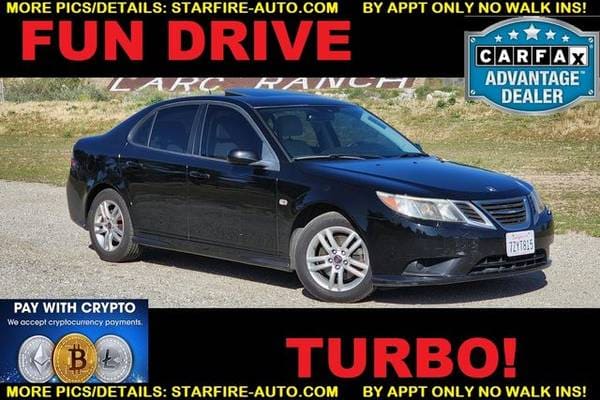
Located in Santa Clarita, CA / 1,982 miles away from Columbus, OH
PLEASE READ THIS SECTION! * FUN AND SPORTY * AUTOMATIC TRANSMISSION * COLD AC - ADD ~15% TO THE PRICE TO GET THE TOTAL AFTER TAXES/DMV FEES EVERYTH...
Accident Free Vehicle: No
Personal Use Only: Yes
History Provider: AutoCheck
Title Details: Clean Title
Salvage Vehicle: No
Frame Damage: No
Theft History: No
Lemon Status: No
Free History Report: No
Features and Specs:
23 Combined MPG (19 City/29 Highway)
Listing Information:
VIN: YS3FB49Y981110127
Stock: DF472722S
Certified Pre-Owned: No
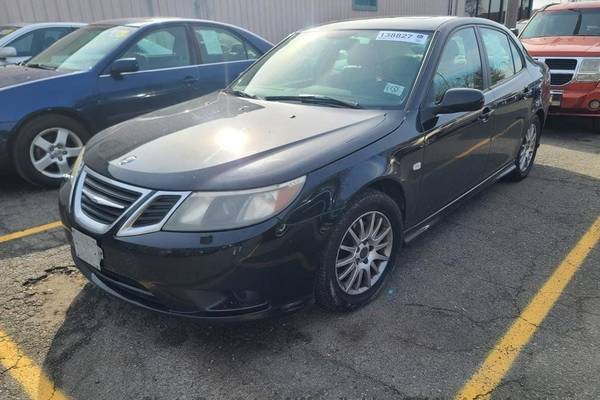
Located in Woodbridge, VA / 314 miles away from Columbus, OH
KEY FEATURES AND OPTIONS Comes equipped with: Air Conditioning. This Saab 9-3 also includes Power Driver's Seat, Clock, Climate Control, Tachometer, M...
Accident Free Vehicle: Yes
Personal Use Only: Yes
History Provider: AutoCheck
Title Details: Clean Title
Salvage Vehicle: No
Frame Damage: No
Theft History: No
Lemon Status: No
Free History Report: No
Features and Specs:
23 Combined MPG (19 City/29 Highway)
Listing Information:
VIN: YS3FB49Y581013636
Stock: 138827
Certified Pre-Owned: No
Listed since: 03-29-2024
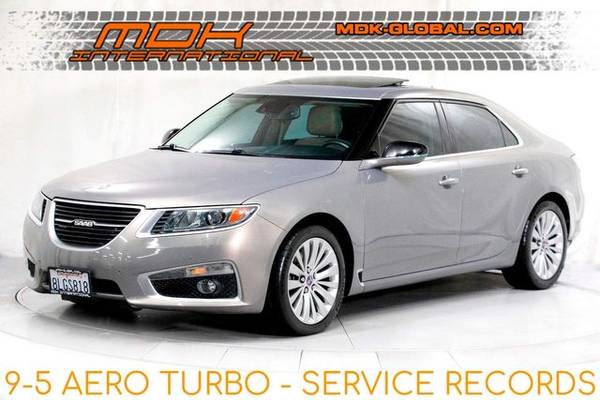
Located in Burbank, CA / 1,983 miles away from Columbus, OH
* If you are reading this, then you probably already know how rare these cars are! * 300hp turbo 2.8L V6 * Very low mileage * Panoramic sunroof ...
Accident Free Vehicle: No
Personal Use Only: Yes
History Provider: AutoCheck
Title Details: Clean Title
Salvage Vehicle: No
Frame Damage: No
Theft History: No
Lemon Status: No
Free History Report: No
Features and Specs:
20 Combined MPG (17 City/27 Highway)
Listing Information:
VIN: YS3GR4BJ1B4001180
Stock: 001180
Certified Pre-Owned: No
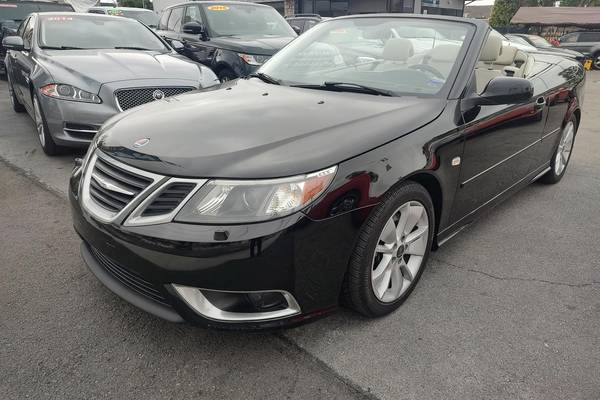
Located in Henderson, NV / 1,762 miles away from Columbus, OH
Jet Black Metallic Leather Seats Rear Spoiler Convertible Soft Top Engine; 2.0L Dohc Mpfi 4-Cylinder; Turbocharged Parchment W/Black Accents; Leather ...
Accident Free Vehicle: Yes
Personal Use Only: Yes
History Provider: AutoCheck
Title Details: Clean Title
Salvage Vehicle: No
Frame Damage: No
Theft History: No
Lemon Status: No
Free History Report: No
Features and Specs:
22 Combined MPG (19 City/27 Highway)
Listing Information:
VIN: YS3FC7CY4B1307592
Stock: B1307592
Certified Pre-Owned: No
Listed since: 04-15-2024

Located in Plainville, CT / 533 miles away from Columbus, OH
Buy it with cash or finance with $2,000 down and low weekly payments deducted straight from your checking or savings. Have good credit? We work with s...
Accident Free Vehicle: Yes
Personal Use Only: Yes
History Provider: AutoCheck
Title Details: Clean Title
Salvage Vehicle: No
Frame Damage: No
Theft History: No
Lemon Status: No
Free History Report: No
Features and Specs:
21 Combined MPG (18 City/27 Highway)
Listing Information:
VIN: YS3DP75G0Y7002872
Stock: 002872
Certified Pre-Owned: No
Listed since: 09-07-2023
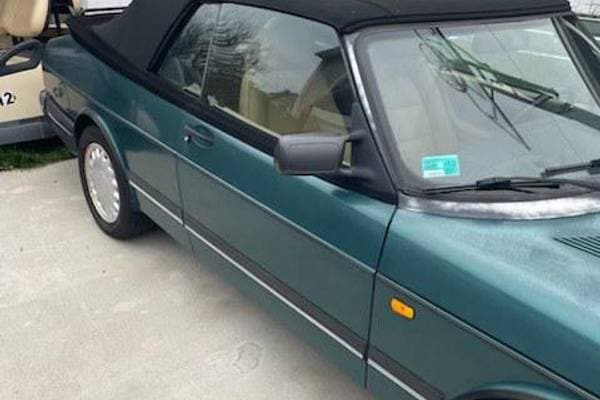
Located in Naugatuck, CT / 523 miles away from Columbus, OH
Here is a real find. This low mileaged, classic convertible runs and drives very well. The NEW top and tan leather interior are in great shape. The ...
Accident Free Vehicle: Yes
Personal Use Only: Yes
History Provider: AutoCheck
Title Details: Clean Title
Salvage Vehicle: No
Frame Damage: No
Theft History: No
Lemon Status: No
Free History Report: No
Features and Specs:
20 Combined MPG (18 City/24 Highway)
Listing Information:
VIN: YS3AK75E2P7001737
Stock: 001737
Certified Pre-Owned: No
Listed since: 04-05-2024
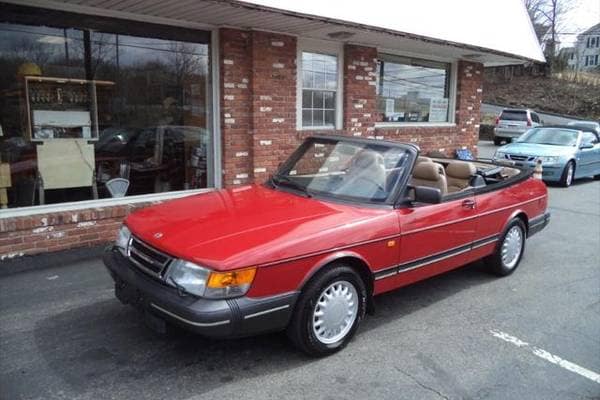
Located in Naugatuck, CT / 523 miles away from Columbus, OH
Clean, one owner, classic in great color combination, 5 speed!
Accident Free Vehicle: Yes
Personal Use Only: Yes
History Provider: AutoCheck
Title Details: Clean Title
Salvage Vehicle: No
Frame Damage: No
Theft History: No
Lemon Status: No
Free History Report: No
Features and Specs:
20 Combined MPG (18 City/24 Highway)
Listing Information:
VIN: YS3AK75E9R7001477
Stock: 001477
Certified Pre-Owned: No
Listed since: 03-11-2024
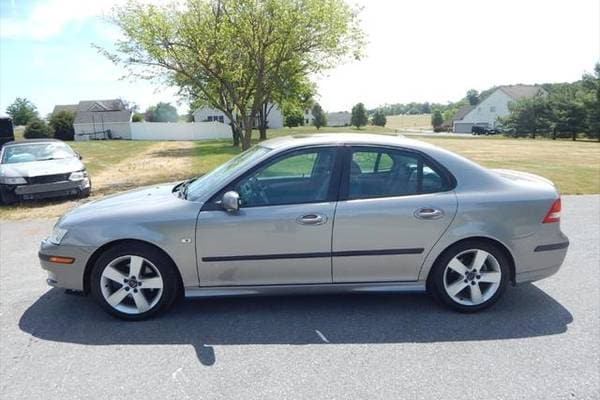
Located in Naugatuck, CT / 523 miles away from Columbus, OH
Nice, classic 9-3. Well maintained, ready to go!
AutoCheck Vehicle History Summary Unavailable.
Features and Specs:
19 Combined MPG (16 City/26 Highway)
Listing Information:
VIN: YS3FH41U361008551
Stock: 008551
Certified Pre-Owned: No
Listed since: 09-19-2023

Located in Stafford, VA / 312 miles away from Columbus, OH
Accident Free Vehicle: No
Personal Use Only: Yes
History Provider: AutoCheck
Title Details: Title issue reported
Salvage Vehicle: No
Frame Damage: Yes
Theft History: No
Lemon Status: No
Free History Report: No
Features and Specs:
23 Combined MPG (20 City/29 Highway)
Listing Information:
VIN: YS3FA7CY7A1619488
Stock: 619488CSP
Certified Pre-Owned: No
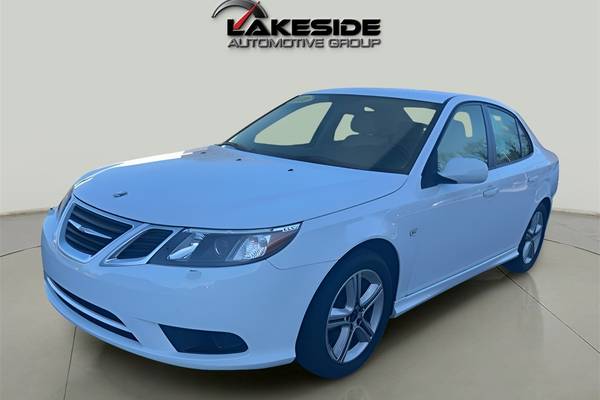
Located in Spring Lake, MI / 270 miles away from Columbus, OH
2010 Saab 9-3 XWD Arctic White Clean CARFAX. Odometer is 38777 miles below market average! ***ALL-WHEEL DRIVE***, ***SUNROOF***, ***LEATHER***, ***HEA...
Accident Free Vehicle: Yes
Personal Use Only: Yes
History Provider: AutoCheck
Title Details: Clean Title
Salvage Vehicle: No
Frame Damage: No
Theft History: No
Lemon Status: No
Free History Report: No
Features and Specs:
21 Combined MPG (17 City/27 Highway)
Listing Information:
VIN: YS3FA4BY5A1611468
Stock: P7579
Certified Pre-Owned: No
Listed since: 03-22-2024
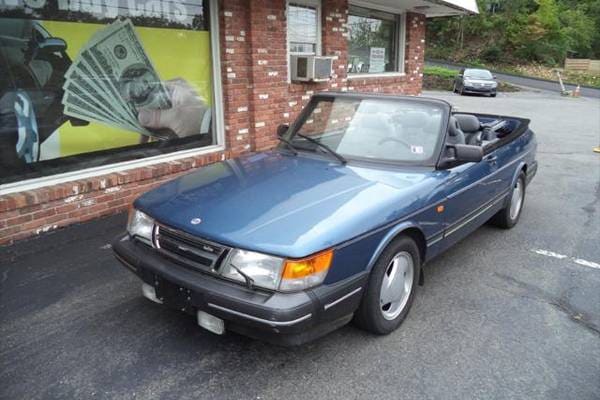
Located in Naugatuck, CT / 523 miles away from Columbus, OH
Beautiful, classic 900 Turbo. Amazing color combination. Well cared for.
Accident Free Vehicle: Yes
Personal Use Only: Yes
History Provider: AutoCheck
Title Details: Clean Title
Salvage Vehicle: No
Frame Damage: No
Theft History: No
Lemon Status: No
Free History Report: No
Features and Specs:
20 Combined MPG (18 City/24 Highway)
Listing Information:
VIN: YS3AL76L4P7000485
Stock: 000485
Certified Pre-Owned: No
Listed since: 09-16-2023
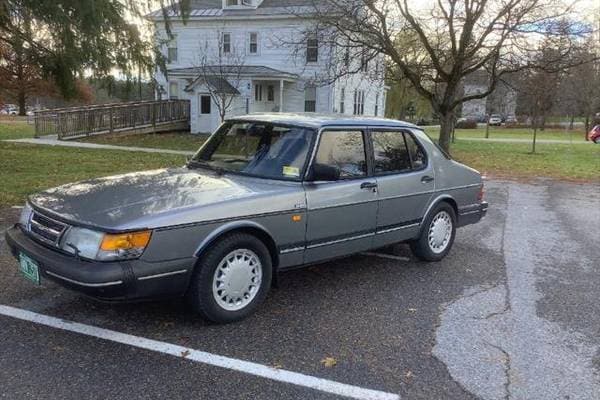
Located in Naugatuck, CT / 523 miles away from Columbus, OH
Very cool, 5 speed classic!
Accident Free Vehicle: Yes
Personal Use Only: Yes
History Provider: AutoCheck
Title Details: Clean Title
Salvage Vehicle: No
Frame Damage: No
Theft History: No
Lemon Status: No
Free History Report: No
Features and Specs:
20 Combined MPG (18 City/24 Highway)
Listing Information:
VIN: YS3AK45E5M5001723
Stock: 001723
Certified Pre-Owned: No
Listed since: 11-24-2023

Located in Naugatuck, CT / 523 miles away from Columbus, OH
One owner, time capsule. Only 61K miles!
Accident Free Vehicle: Yes
Personal Use Only: Yes
History Provider: AutoCheck
Title Details: Clean Title
Salvage Vehicle: No
Frame Damage: No
Theft History: No
Lemon Status: No
Free History Report: No
Features and Specs:
20 Combined MPG (18 City/24 Highway)
Listing Information:
VIN: YS3AK46EXN2021855
Stock: 021855
Certified Pre-Owned: No
Listed since: 03-18-2024
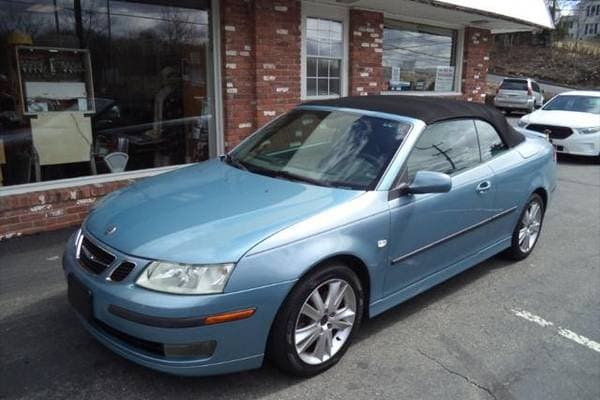
Located in Naugatuck, CT / 523 miles away from Columbus, OH
Very cool anniversary edition. Low miles, too!
Accident Free Vehicle: Yes
Personal Use Only: Yes
History Provider: AutoCheck
Title Details: Clean Title
Salvage Vehicle: No
Frame Damage: No
Theft History: No
Lemon Status: No
Free History Report: No
Features and Specs:
21 Combined MPG (18 City/27 Highway)
Listing Information:
VIN: YS3FD79Y676105822
Stock: 105822
Certified Pre-Owned: No
Listed since: 03-19-2024