Used Chevrolet Classic for Sale Near Me
Describe what you’re looking for
BETA
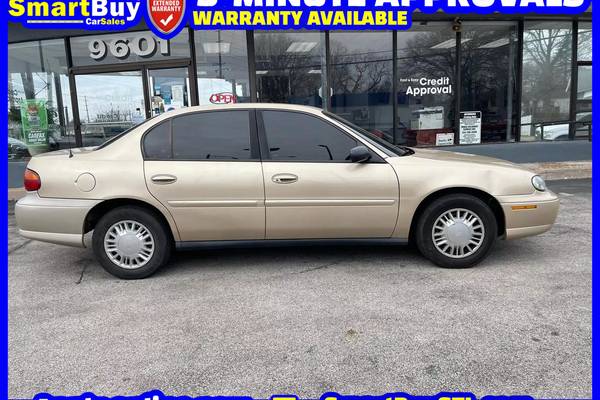
Located in Saint Louis, MO / 411 miles away from Columbus, OH
*100% GUARANTEED CREDIT APPROVAL IS OUR GOAL **EXTENDED WARRANTY AVAILABLE *PAYMENT AS LITTLE AS $199.00 with approved credit*SAFETY AND EMISSIONS REA...
Accident Free Vehicle: Yes
Personal Use Only: No
History Provider: AutoCheck
Title Details: Clean Title
Salvage Vehicle: No
Frame Damage: No
Theft History: No
Lemon Status: No
Free History Report: No
Features and Specs:
25 Combined MPG (22 City/31 Highway)
Listing Information:
VIN: 1G1ND52F05M161157
Stock: 161157
Certified Pre-Owned: No
Listed since: 10-08-2023
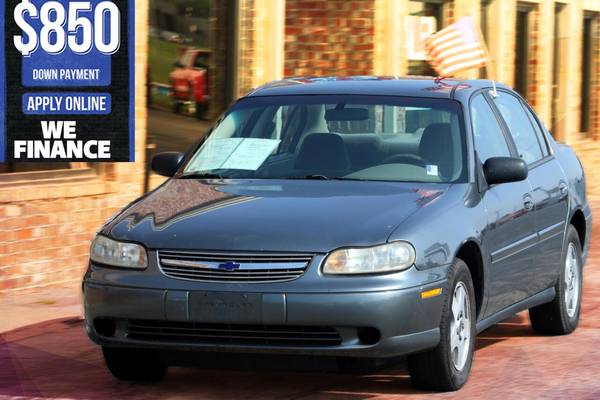
Located in Moore, OK / 862 miles away from Columbus, OH
Visit Oklahoma Patriot Auto Sales online at www.oklahomapatriotautosales.com to see more pictures of this vehicle or call us at 4**-2**-5*** today ...
Accident Free Vehicle: Yes
Personal Use Only: No
History Provider: AutoCheck
Title Details: Clean Title
Salvage Vehicle: No
Frame Damage: No
Theft History: No
Lemon Status: No
Free History Report: No
Features and Specs:
25 Combined MPG (22 City/31 Highway)
Listing Information:
VIN: 1G1ND52F45M201675
Stock: 3817
Certified Pre-Owned: No
Listed since: 01-04-2023
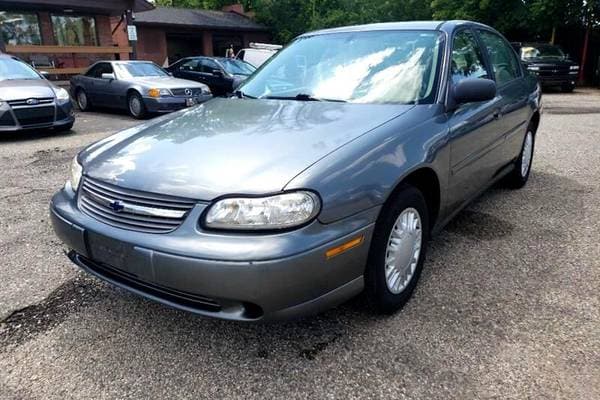
Located in Detroit, MI / 165 miles away from Columbus, OH
CLASSIC MALIBU, LOW MIEAGE, DRIVES GREAT , CALL IF INTERESTEDVisit Automotive Group LLC online at Automotivegroup.com to see more pictures of this veh...
Accident Free Vehicle: Yes
Personal Use Only: No
History Provider: AutoCheck
Title Details: Title issue reported
Salvage Vehicle: No
Frame Damage: Yes
Theft History: No
Lemon Status: No
Free History Report: No
Features and Specs:
25 Combined MPG (22 City/31 Highway)
Listing Information:
VIN: 1G1ND52F25M200962
Stock: AG0121
Certified Pre-Owned: No
Listed since: 07-26-2023

Located in Happy Valley, OR / 2,028 miles away from Columbus, OH
Accident Free Vehicle: Yes
Personal Use Only: No
History Provider: AutoCheck
Title Details: Clean Title
Salvage Vehicle: No
Frame Damage: No
Theft History: No
Lemon Status: No
Free History Report: No
Features and Specs:
25 Combined MPG (22 City/31 Highway)
Listing Information:
VIN: 1G1ND52F45M173022
Stock: 5M173022
Certified Pre-Owned: No
Listed since: 09-30-2023

Located in Manchester, IA / 476 miles away from Columbus, OH
Accident Free Vehicle: Yes
Personal Use Only: No
History Provider: AutoCheck
Title Details: Clean Title
Salvage Vehicle: No
Frame Damage: No
Theft History: No
Lemon Status: No
Free History Report: No
Features and Specs:
25 Combined MPG (22 City/31 Highway)
Listing Information:
VIN: 1G1ND52F95M102303
Stock: 5M102303
Certified Pre-Owned: No
Listed since: 01-19-2024
We didn’t find many exact matches. Try adjusting your filters
Edmunds has 5 Used Chevrolet Classics for sale near you, including a 2005 Classic Fleet Sedan and a 2005 Classic Fleet Sedan ranging in price from $2,995 to $8,999.