Used Toyota for Sale Near Me
Describe what you’re looking for
BETA

Located in Prescott, AZ / 1,661 miles away from Columbus, OH
Tundra Limited, 4D Double Cab, i-Force 5.7L V8 DOHC, 6-Speed Automatic Electronic, RWD, Super White, Black Leather, 18" x 8J Aluminum Disc Wheels, Air...
Accident Free Vehicle: Yes
Personal Use Only: Yes
History Provider: AutoCheck
Title Details: Clean Title
Salvage Vehicle: No
Frame Damage: No
Theft History: No
Lemon Status: No
Free History Report: No
Features and Specs:
16 Combined MPG (14 City/18 Highway)
Listing Information:
VIN: 5TFRV58127X021212
Stock: S55702B
Certified Pre-Owned: No
Listed since: 02-10-2024

Located in Fort Myers, FL / 931 miles away from Columbus, OH
The following items have been reconditioned on this vehicle: new pair of tires! Two-Tone Paint Lane Keeping Assist Keyless Start Rear Spoiler 50 St...
Accident Free Vehicle: Yes
Personal Use Only: Yes
History Provider: AutoCheck
Title Details: Clean Title
Salvage Vehicle: No
Frame Damage: No
Theft History: No
Lemon Status: No
Free History Report: No
Features and Specs:
29 Combined MPG (27 City/31 Highway)
Listing Information:
VIN: JTNKHMBX0N1135723
Stock: N1135723
Certified Pre-Owned: No
Listed since: 03-09-2024

Located in Fort Myers, FL / 931 miles away from Columbus, OH
Panoramic Roof Leather Seats Navigation System Lane Keeping Assist Keyless Start Cooled Front Seat(S) Black; Leather Seat Trim Oxygen White This veh...
Accident Free Vehicle: Yes
Personal Use Only: Yes
History Provider: AutoCheck
Title Details: Clean Title
Salvage Vehicle: No
Frame Damage: No
Theft History: No
Lemon Status: No
Free History Report: No
Features and Specs:
30 Combined MPG (29 City/32 Highway)
Listing Information:
VIN: JTDAFAAF2R3005708
Stock: R3005708
Certified Pre-Owned: No
Listed since: 01-31-2024
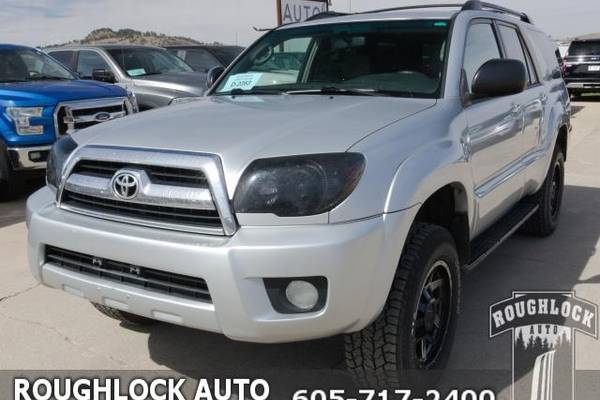
Located in Spearfish, SD / 1,111 miles away from Columbus, OH
The four-door Toyota 4Runner comes in three trim levels: SR5, Sport and Limited. SR5 include 16-inch wheels, automatic climate control with rear vents...
Accident Free Vehicle: Yes
Personal Use Only: No
History Provider: AutoCheck
Title Details: Clean Title
Salvage Vehicle: No
Frame Damage: No
Theft History: No
Lemon Status: No
Free History Report: No
Features and Specs:
18 Combined MPG (16 City/21 Highway)
Listing Information:
VIN: JTEZU14R970090474
Stock: 24127
Certified Pre-Owned: No
Listed since: 03-13-2024
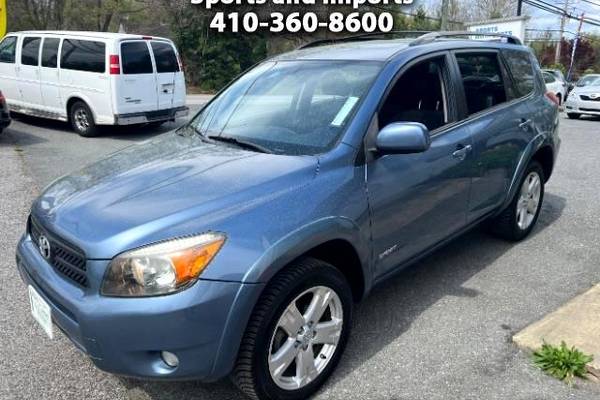
Located in Pasadena, MD / 343 miles away from Columbus, OH
ANOTHER INEXPENSIVE TOYOTA FOR SALE AT SPORTS AND IMPORTS ***Ask about our used vehicle certification process! *** Please call our frie...
Accident Free Vehicle: Yes
Personal Use Only: Yes
History Provider: AutoCheck
Title Details: Clean Title
Salvage Vehicle: No
Frame Damage: No
Theft History: No
Lemon Status: No
Free History Report: No
Features and Specs:
24 Combined MPG (21 City/27 Highway)
Listing Information:
VIN: JTMZD32VX66018288
Stock: 24190
Certified Pre-Owned: No

Located in Mount Juliet, TN / 333 miles away from Columbus, OH
USED EV INSTANT CREDIT AVAILABLE FOR QUALIFIED ELECTRIC AND PLUG-IN VEHICLES UP TO $4,000!!! SHOWN BY APPOINTMENT ONLY!!! All prices include a $500.00...
Accident Free Vehicle: No
Personal Use Only: Yes
History Provider: AutoCheck
Title Details: Clean Title
Salvage Vehicle: No
Frame Damage: No
Theft History: No
Lemon Status: No
Free History Report: No
Features and Specs:
19 Combined MPG (17 City/20 Highway)
Listing Information:
VIN: JTEZU4BF6CK011951
Stock: 011951
Certified Pre-Owned: No
Listed since: 04-06-2024
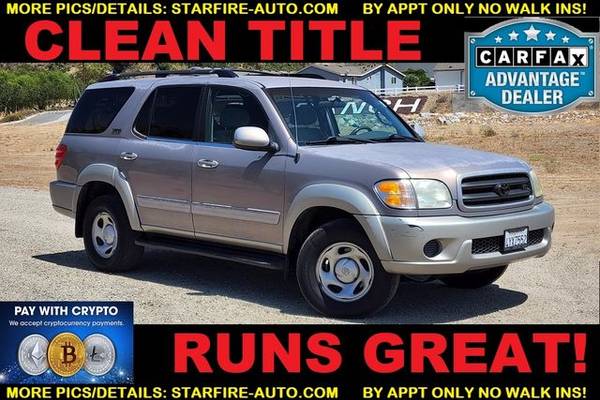
Located in Santa Clarita, CA / 1,982 miles away from Columbus, OH
DETAILS COMING SOON! * CLEAN TITLE * RUNS AND DRIVES WELL AT THIS TIME * COLD AC * CHEAP BECAUSE IT HAS COSMETIC ISSUES, ITS A LITTLE WORN AND TORN,...
Accident Free Vehicle: Yes
Personal Use Only: Yes
History Provider: AutoCheck
Title Details: Clean Title
Salvage Vehicle: No
Frame Damage: No
Theft History: No
Lemon Status: No
Free History Report: No
Features and Specs:
14 Combined MPG (13 City/17 Highway)
Listing Information:
VIN: 5TDZT34A62S134546
Stock: DF8152742T
Certified Pre-Owned: No

Located in Austin, TX / 1,080 miles away from Columbus, OH
Sun/Moonroof 3rd Row Seat Rear Spoiler 50-State Emissions Black Graphite; Cloth Seat Trim This vehicle includes a Money-Back Guarantee* and passed o...
Accident Free Vehicle: Yes
Personal Use Only: No
History Provider: AutoCheck
Title Details: Clean Title
Salvage Vehicle: No
Frame Damage: No
Theft History: No
Lemon Status: No
Free History Report: No
Features and Specs:
15 Combined MPG (13 City/18 Highway)
Listing Information:
VIN: 5TDZY5G12CS041582
Stock: CS041582
Certified Pre-Owned: No
Listed since: 04-09-2024
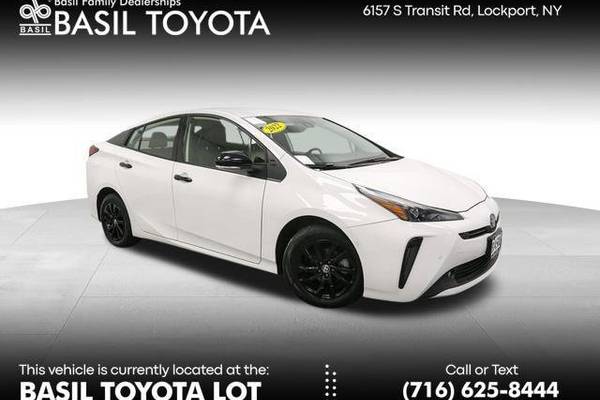
Located in Lockport, NY / 302 miles away from Columbus, OH
CARFAX One-Owner. White 2022 Toyota Prius Nightshade AWD Continuously Variable (ECVT) 1.8L 4-Cylinder DOHC 16V VVT-i ABS brakes, Active Cruise Control...
Accident Free Vehicle: Yes
Personal Use Only: Yes
History Provider: AutoCheck
Title Details: Clean Title
Salvage Vehicle: No
Frame Damage: No
Theft History: No
Lemon Status: No
Free History Report: No
Features and Specs:
49 Combined MPG (51 City/47 Highway)
Listing Information:
VIN: JTDL9MFU7N3036620
Stock: 240465A
Certified Pre-Owned: No
Listed since: 03-09-2024
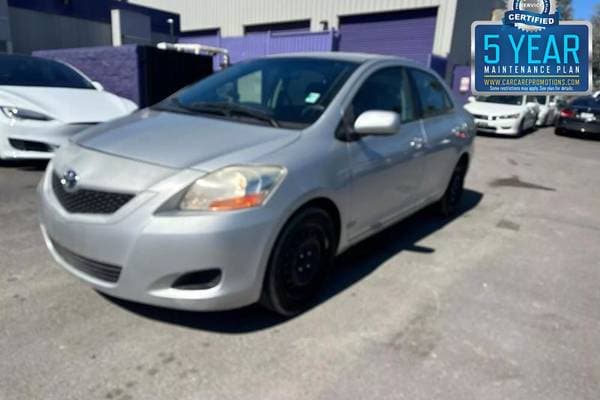
Located in Las Vegas, NV / 1,764 miles away from Columbus, OH
Accident Free Vehicle: No
Personal Use Only: No
History Provider: AutoCheck
Title Details: Clean Title
Salvage Vehicle: No
Frame Damage: No
Theft History: No
Lemon Status: No
Free History Report: No
Features and Specs:
31 Combined MPG (29 City/35 Highway)
Listing Information:
VIN: JTDBT4K34A1375822
Stock: 2227
Certified Pre-Owned: No
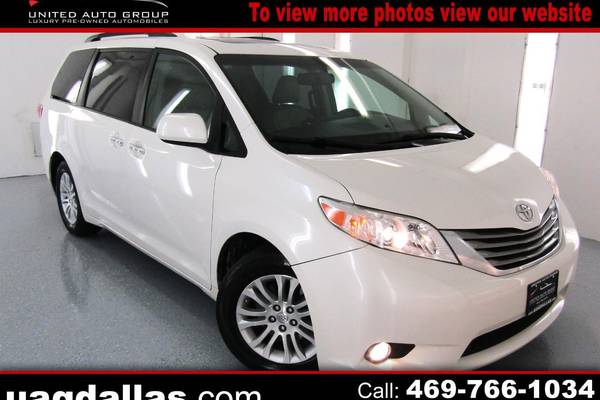
Located in Carrollton, TX / 916 miles away from Columbus, OH
Visit United Auto Group online at uagdallas.com to see more pictures of this vehicle or call us at 469-766-1034 today to schedule your test drive.
Accident Free Vehicle: No
Personal Use Only: No
History Provider: AutoCheck
Title Details: Clean Title
Salvage Vehicle: No
Frame Damage: No
Theft History: No
Lemon Status: No
Free History Report: No
Features and Specs:
22 Combined MPG (19 City/27 Highway)
Listing Information:
VIN: 5TDYZ3DC8HS824724
Stock: 5377
Certified Pre-Owned: No

Located in Colorado Springs, CO / 1,173 miles away from Columbus, OH
Offer is valid through 2024-04-19.
Accident Free Vehicle: Yes
Personal Use Only: Yes
History Provider: AutoCheck
Title Details: Clean Title
Salvage Vehicle: No
Frame Damage: No
Theft History: No
Lemon Status: No
Free History Report: No
Features and Specs:
19 Combined MPG (17 City/21 Highway)
Listing Information:
VIN: JTEBU4BF3BK104460
Stock: TC1019
Certified Pre-Owned: No
Listed since: 02-27-2024

Located in Hickory, NC / 311 miles away from Columbus, OH
Black 2021 Toyota Tacoma SR5 V6 4WD 6-Speed Automatic 3.5L V6 PDI DOHC 24V LEV3-ULEV70 278hpPriced below KBB Fair Purchase Price! Recent Arrival!CARFA...
Accident Free Vehicle: No
Personal Use Only: Yes
History Provider: AutoCheck
Title Details: Clean Title
Salvage Vehicle: No
Frame Damage: No
Theft History: No
Lemon Status: No
Free History Report: No
Features and Specs:
20 Combined MPG (18 City/22 Highway)
Listing Information:
VIN: 3TYSZ5AN9MT016386
Stock: 60958A
Certified Pre-Owned: No
Listed since: 03-22-2024


Located in Decatur, AL / 442 miles away from Columbus, OH
This 2021 Toyota Tundra SR in Silver Sky Metallic features: Priced below KBB Fair Purchase Price! Tundra SR, 4D Double Cab, i-Force 5.7L V8 DOHC 32V L...
Accident Free Vehicle: No
Personal Use Only: Yes
History Provider: AutoCheck
Title Details: Clean Title
Salvage Vehicle: No
Frame Damage: No
Theft History: No
Lemon Status: No
Free History Report: No
Features and Specs:
15 Combined MPG (13 City/17 Highway)
Listing Information:
VIN: 5TFRY5F10MX273272
Stock: P273272
Certified Pre-Owned: Yes
Listed since: 02-22-2024

Located in Decatur, AL / 442 miles away from Columbus, OH
This 2022 Toyota Avalon Limited in Wind Chill Pearl features: 22/31 City/Highway MPG Priced below KBB Fair Purchase Price! Avalon Limited, Toyota Gold...
Accident Free Vehicle: No
Personal Use Only: Yes
History Provider: AutoCheck
Title Details: Clean Title
Salvage Vehicle: No
Frame Damage: No
Theft History: No
Lemon Status: No
Free History Report: No
Features and Specs:
25 Combined MPG (22 City/31 Highway)
Listing Information:
VIN: 4T1CZ1FB0NU072989
Stock: 072989R
Certified Pre-Owned: Yes
Listed since: 02-10-2024

Located in Decatur, AL / 442 miles away from Columbus, OH
This 2022 Toyota Highlander XLE in Midnight Black Metallic features: Odometer is 6161 miles below market average! 21/29 City/Highway MPG Priced below ...
Accident Free Vehicle: Yes
Personal Use Only: Yes
History Provider: AutoCheck
Title Details: Clean Title
Salvage Vehicle: No
Frame Damage: No
Theft History: No
Lemon Status: No
Free History Report: No
Features and Specs:
24 Combined MPG (21 City/29 Highway)
Listing Information:
VIN: 5TDHZRAH6NS554441
Stock: 554441R
Certified Pre-Owned: Yes
Listed since: 04-14-2024

Located in Decatur, AL / 442 miles away from Columbus, OH
This 2021 Toyota Venza LE in Black features: Odometer is 17253 miles below market average! 40/37 City/Highway MPG Priced below KBB Fair Purchase Price...
Accident Free Vehicle: Yes
Personal Use Only: Yes
History Provider: AutoCheck
Title Details: Clean Title
Salvage Vehicle: No
Frame Damage: No
Theft History: No
Lemon Status: No
Free History Report: No
Features and Specs:
39 Combined MPG (40 City/37 Highway)
Listing Information:
VIN: JTEAAAAH1MJ042829
Stock: PT042829
Certified Pre-Owned: Yes
Listed since: 01-16-2024

Located in Decatur, AL / 442 miles away from Columbus, OH
2024 Toyota Grand Highlander Hybrid MAX Limited AWD 2.4L 4-Cylinder VVT-i, 11 Speakers, 20" Aluminum Alloy Wheels, 3rd row seats: split-bench, 4-Whee...
Accident Free Vehicle: Yes
Personal Use Only: Yes
History Provider: AutoCheck
Title Details: Clean Title
Salvage Vehicle: No
Frame Damage: No
Theft History: No
Lemon Status: No
Free History Report: No
Features and Specs:
27 Combined MPG (26 City/27 Highway)
Listing Information:
VIN: 5TDADAB57RS005021
Stock: 005021
Certified Pre-Owned: No
Listed since: 03-12-2024
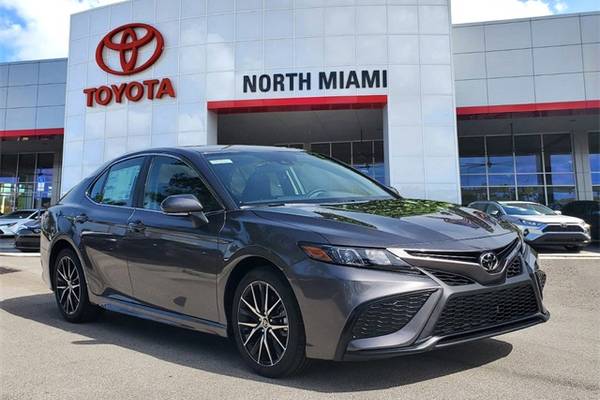
Located in Miami, FL / 987 miles away from Columbus, OH
2024 Toyota Camry, Black w/Perforated Leather Seat Trim. 28/39 City/Highway MPG Celestial Silver Metallic/Midnight Black Metallic 2024 Toyota Camry SE...
Accident Free Vehicle: Yes
Personal Use Only: Yes
History Provider: AutoCheck
Title Details: Clean Title
Salvage Vehicle: No
Frame Damage: No
Theft History: No
Lemon Status: No
Free History Report: No
Features and Specs:
32 Combined MPG (28 City/39 Highway)
Listing Information:
VIN: 4T1G11AK8RU863325
Stock: PT12061
Certified Pre-Owned: No
Listed since: 11-15-2023
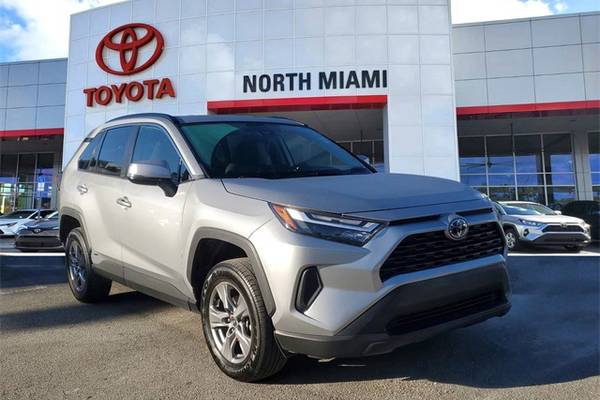
Located in Miami, FL / 987 miles away from Columbus, OH
2022 Toyota RAV4 Hybrid, 2.5L 4-Cylinder. Priced below KBB Fair Purchase Price! 41/38 City/Highway MPG Silver 2022 Toyota RAV4 Hybrid XLE AWD eCVT 2.5...
Accident Free Vehicle: No
Personal Use Only: Yes
History Provider: AutoCheck
Title Details: Clean Title
Salvage Vehicle: No
Frame Damage: No
Theft History: No
Lemon Status: No
Free History Report: No
Features and Specs:
40 Combined MPG (41 City/38 Highway)
Listing Information:
VIN: 4T3RWRFV6NU055908
Stock: D162600A
Certified Pre-Owned: No
Listed since: 02-09-2024

Located in Miami, FL / 987 miles away from Columbus, OH
ABS brakes, Active Cruise Control, Alloy wheels, Compass, Electronic Stability Control, Front dual zone A/C, Heated door mirrors, Heated front seats, ...
Accident Free Vehicle: Yes
Personal Use Only: Yes
History Provider: AutoCheck
Title Details: Clean Title
Salvage Vehicle: No
Frame Damage: No
Theft History: No
Lemon Status: No
Free History Report: No
Features and Specs:
26 Combined MPG (22 City/32 Highway)
Listing Information:
VIN: 4T1KZ1AK7PU084451
Stock: PT11660
Certified Pre-Owned: No
Listed since: 07-18-2023
