Used Buick for Sale Near Me
Describe what you’re looking for
BETA
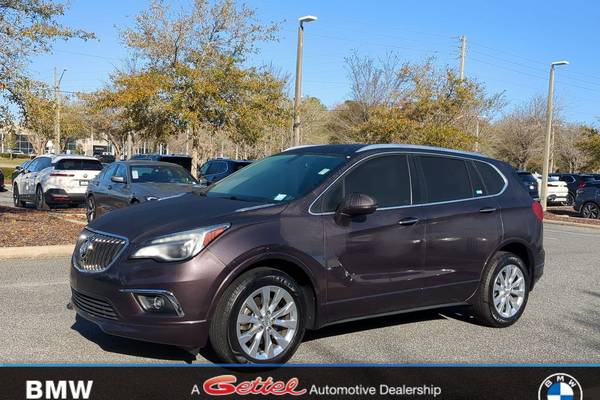
Located in Gainesville, FL / 717 miles away from Columbus, OH
Value priced below the market average! This 2017 Buick Envision Essence, has a great Midnight Amethyst Metallic exterior, and a clean Light Neutral in...
Accident Free Vehicle: No
Personal Use Only: No
History Provider: AutoCheck
Title Details: Clean Title
Salvage Vehicle: No
Frame Damage: No
Theft History: No
Lemon Status: No
Free History Report: No
Features and Specs:
25 Combined MPG (22 City/29 Highway)
Listing Information:
VIN: LRBFXBSA8HD089312
Stock: BS6538
Certified Pre-Owned: No
Listed since: 02-19-2024

Located in Fayetteville, NC / 404 miles away from Columbus, OH
CarMax values transparency and wants you to love your next car, not settle on it. Certain vehicles may have unrepaired safety recalls. Check nhtsa.gov...
AutoCheck Vehicle History Summary Unavailable.
Features and Specs:
25 Combined MPG (22 City/29 Highway)
Listing Information:
VIN: LRBFZSR45ND070142
Stock: 25591459
Certified Pre-Owned: No

Located in Fort Myers, FL / 931 miles away from Columbus, OH
2021 Buick Enclave Essence Ebony Twilight Metallic 3.6L V6 SIDI VVT FWD Keyless start, Back-up camera, Blind spot warning, FWD, 18" Painted Aluminum W...
Accident Free Vehicle: No
Personal Use Only: Yes
History Provider: AutoCheck
Title Details: Clean Title
Salvage Vehicle: No
Frame Damage: No
Theft History: No
Lemon Status: No
Free History Report: No
Features and Specs:
21 Combined MPG (18 City/26 Highway)
Listing Information:
VIN: 5GAERBKW8MJ114712
Stock: 114712C01
Certified Pre-Owned: No
Listed since: 03-20-2024
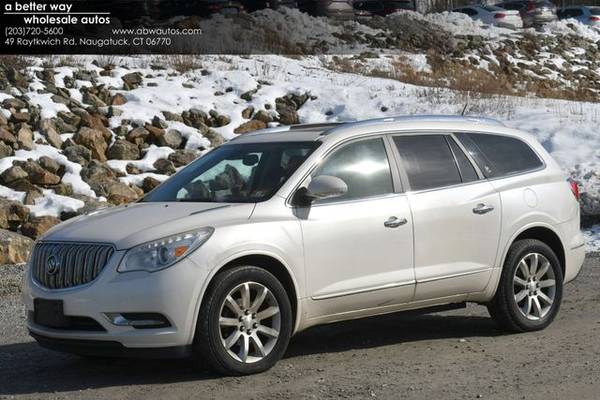
Located in Naugatuck, CT / 524 miles away from Columbus, OH
- Pristine white 2015 Buick Enclave Premium with a luxurious gray leather interior. - Impressive 3.6L V6 engine offering robust performance with 288 ...
Accident Free Vehicle: Yes
Personal Use Only: Yes
History Provider: AutoCheck
Title Details: Clean Title
Salvage Vehicle: No
Frame Damage: No
Theft History: No
Lemon Status: No
Free History Report: No
Features and Specs:
18 Combined MPG (16 City/22 Highway)
Listing Information:
VIN: 5GAKVCKDXFJ163268
Stock: 163268A
Certified Pre-Owned: No
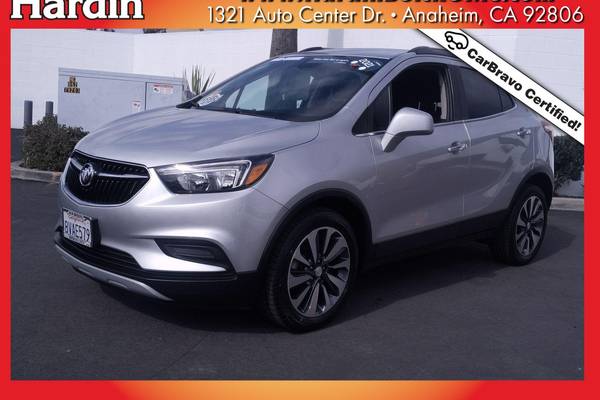
Located in Anaheim, CA / 1,968 miles away from Columbus, OH
CAR BRAVO Certified. 1 OWNER, LEASE RETURN* GREAT MPG SAVER! Quicksilver Metallic 2021 Buick Encore Preferred FWD 6-Speed Automatic Electronic with O...
Accident Free Vehicle: Yes
Personal Use Only: Yes
History Provider: AutoCheck
Title Details: Clean Title
Salvage Vehicle: No
Frame Damage: No
Theft History: No
Lemon Status: No
Free History Report: No
Features and Specs:
27 Combined MPG (25 City/30 Highway)
Listing Information:
VIN: KL4CJASB1MB346755
Stock: 24S03011A
Certified Pre-Owned: Yes
Listed since: 02-23-2024
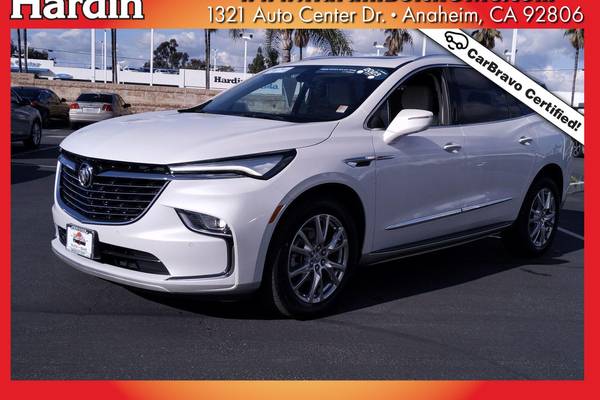
Located in Anaheim, CA / 1,968 miles away from Columbus, OH
Car Bravo Certified. GM EXECUTIVE DEMO* ENCLAVE PREMIUM* EXPERIENCE BUICK PCKG* DRIVER CONFIDENCE PCKG* HEAD-UP DISPLAY* TRAILERING PCKG* DUAL MOONROO...
Accident Free Vehicle: Yes
Personal Use Only: Yes
History Provider: AutoCheck
Title Details: Clean Title
Salvage Vehicle: No
Frame Damage: No
Theft History: No
Lemon Status: No
Free History Report: No
Features and Specs:
20 Combined MPG (17 City/25 Highway)
Listing Information:
VIN: 5GAEVBKW5PJ121875
Stock: B02850
Certified Pre-Owned: Yes
Listed since: 02-19-2024

Located in Anaheim, CA / 1,968 miles away from Columbus, OH
Certified. Chili Red Metallic 2021 Buick Encore GX Essence FWD CVT ECOTEC 1.3L Turbo Recent Arrival! Odometer is 17054 miles below market average! 30...
Accident Free Vehicle: Yes
Personal Use Only: Yes
History Provider: AutoCheck
Title Details: Clean Title
Salvage Vehicle: No
Frame Damage: No
Theft History: No
Lemon Status: No
Free History Report: No
Features and Specs:
Listing Information:
VIN: KL4MMFSL2MB037149
Stock: 23B61033A
Certified Pre-Owned: Yes
Listed since: 03-27-2024
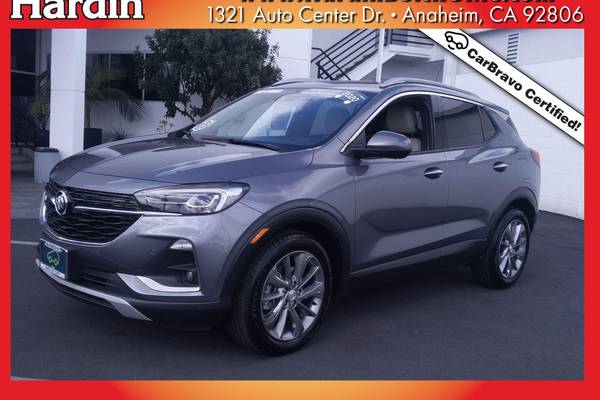
Located in Anaheim, CA / 1,968 miles away from Columbus, OH
CAR BRAVO Certified. Satin Steel Metallic 2020 Buick Encore GX Essence FWD CVT ECOTEC 1.3L Turbo Recent Arrival! 30/32 City/Highway MPG Certificatio...
Accident Free Vehicle: Yes
Personal Use Only: Yes
History Provider: AutoCheck
Title Details: Clean Title
Salvage Vehicle: No
Frame Damage: No
Theft History: No
Lemon Status: No
Free History Report: No
Features and Specs:
Listing Information:
VIN: KL4MMFSL3LB121219
Stock: B02858
Certified Pre-Owned: Yes
Listed since: 03-05-2024
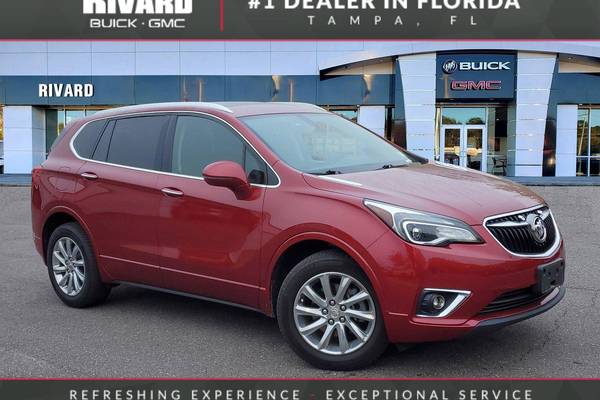
Located in Tampa, FL / 836 miles away from Columbus, OH
CARFAX One-Owner. Chili Red Metallic 2019 Buick Envision Essence 2.5L 4-Cylinder DGI DOHC VVT AWD 6-Speed Automatic Leather Seats, Heated/Cooled Seats...
Accident Free Vehicle: No
Personal Use Only: Yes
History Provider: AutoCheck
Title Details: Clean Title
Salvage Vehicle: No
Frame Damage: No
Theft History: No
Lemon Status: No
Free History Report: No
Features and Specs:
24 Combined MPG (21 City/27 Highway)
Listing Information:
VIN: LRBFX2SA1KD020419
Stock: PP3103A
Certified Pre-Owned: No
Listed since: 03-03-2024

Located in Tampa, FL / 836 miles away from Columbus, OH
Dark Moon Blue Metallic 2020 Buick Envision Essence 2.5L 4-Cylinder DGI DOHC VVT FWD 6-Speed Automatic Leather Seats, Heated/Cooled Seats, Backup/Rear...
Accident Free Vehicle: Yes
Personal Use Only: Yes
History Provider: AutoCheck
Title Details: Clean Title
Salvage Vehicle: No
Frame Damage: No
Theft History: No
Lemon Status: No
Free History Report: No
Features and Specs:
25 Combined MPG (22 City/29 Highway)
Listing Information:
VIN: LRBFXCSA3LD198176
Stock: PP3102B
Certified Pre-Owned: No
Listed since: 02-18-2024

Located in Tampa, FL / 836 miles away from Columbus, OH
Ebony Twilight Metallic 2021 Buick Encore Preferred ECOTEC 1.4L Turbo AWD 6-Speed Automatic Electronic with Overdrive Apple Car Play/Android Auto, Rem...
Accident Free Vehicle: No
Personal Use Only: Yes
History Provider: AutoCheck
Title Details: Clean Title
Salvage Vehicle: No
Frame Damage: No
Theft History: No
Lemon Status: No
Free History Report: No
Features and Specs:
26 Combined MPG (24 City/29 Highway)
Listing Information:
VIN: KL4CJESB9MB336482
Stock: P10219
Certified Pre-Owned: No
Listed since: 03-22-2024

Located in Tampa, FL / 836 miles away from Columbus, OH
Summit White 2024 Buick Enclave Essence FWD 9-Speed Automatic 3.6L V6 SIDI VVT Fresh Oil Change, FWD. 18/26 City/Highway MPG.
Accident Free Vehicle: Yes
Personal Use Only: Yes
History Provider: AutoCheck
Title Details: Clean Title
Salvage Vehicle: No
Frame Damage: No
Theft History: No
Lemon Status: No
Free History Report: No
Features and Specs:
21 Combined MPG (18 City/26 Highway)
Listing Information:
VIN: 5GAERBKW3RJ100255
Stock: R1012
Certified Pre-Owned: No
Listed since: 11-02-2023

Located in Tampa, FL / 836 miles away from Columbus, OH
CARFAX One-Owner. Moonstone Gray Metallic 2024 Buick Enclave Avenir 3.6L V6 SIDI VVT FWD 9-Speed Automatic Leather Seats, Sunroof/Moonroof, Heated/Coo...
Accident Free Vehicle: Yes
Personal Use Only: Yes
History Provider: AutoCheck
Title Details: Clean Title
Salvage Vehicle: No
Frame Damage: No
Theft History: No
Lemon Status: No
Free History Report: No
Features and Specs:
21 Combined MPG (18 City/26 Highway)
Listing Information:
VIN: 5GAERDKW3RJ119058
Stock: R1969A
Certified Pre-Owned: No
Listed since: 03-07-2024
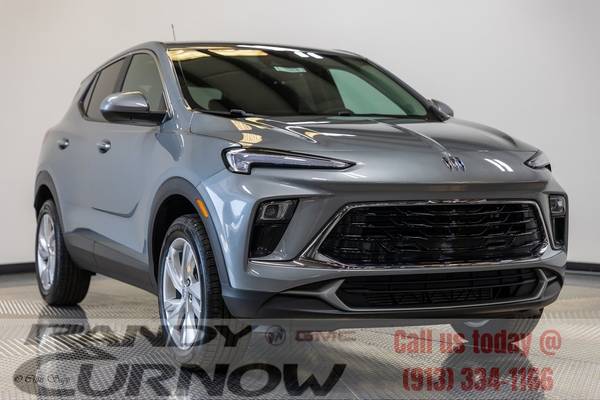
Located in Kansas City, KS / 637 miles away from Columbus, OH
2024 Buick Encore GX Preferred ECOTEC 1.3L Turbo 9-Speed Automatic AWD 4D Sport Utility Moonstone Gray Metallic Randy Curnow Buick GMC. All prices inc...
Accident Free Vehicle: Yes
Personal Use Only: Yes
History Provider: AutoCheck
Title Details: Clean Title
Salvage Vehicle: No
Frame Damage: No
Theft History: No
Lemon Status: No
Free History Report: No
Features and Specs:
27 Combined MPG (26 City/28 Highway)
Listing Information:
VIN: KL4AMCSL2RB003379
Stock: 110572
Certified Pre-Owned: No
Listed since: 07-06-2023

Located in Saginaw, MI / 242 miles away from Columbus, OH
See the complete details below and call us at (989) 607-0447 today to set up your test drive. Well have your Buick Envista waiting for you at the fron...
Accident Free Vehicle: Yes
Personal Use Only: Yes
History Provider: AutoCheck
Title Details: Clean Title
Salvage Vehicle: No
Frame Damage: No
Theft History: No
Lemon Status: No
Free History Report: No
Features and Specs:
30 Combined MPG (28 City/32 Highway)
Listing Information:
VIN: KL47LBE2XRB022093
Stock: 10022093
Certified Pre-Owned: No
Listed since: 04-01-2024
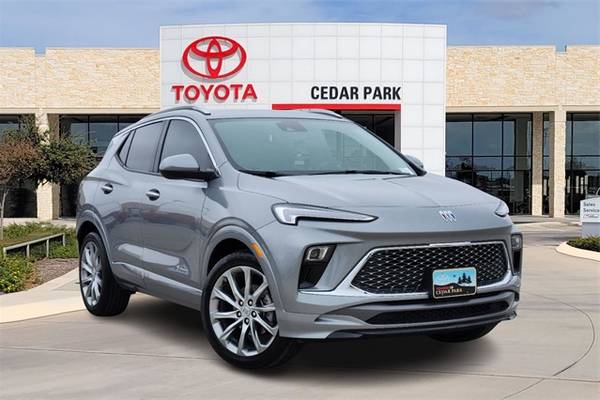
Located in Cedar Park, TX / 1,068 miles away from Columbus, OH
CARFAX One-Owner. Clean CARFAX. ONE OWNER, CLEAN CARFAX, LOCAL TRADE, LOW MILES, Avenir Convenience Package, Bose Premium 7-Speaker Audio System, Fro...
Accident Free Vehicle: Yes
Personal Use Only: Yes
History Provider: AutoCheck
Title Details: Clean Title
Salvage Vehicle: No
Frame Damage: No
Theft History: No
Lemon Status: No
Free History Report: No
Features and Specs:
30 Combined MPG (29 City/32 Highway)
Listing Information:
VIN: KL4AMFSL4RB015891
Stock: RB015891
Certified Pre-Owned: No
Listed since: 02-21-2024

Located in Woodbridge, VA / 314 miles away from Columbus, OH
LOADED WITH VALUE! Comes equipped with: MP3. This Buick Lucerne also includes Power Driver's Seat, Clock, Climate Control, Power Passenger Seat, Tacho...
Accident Free Vehicle: Yes
Personal Use Only: Yes
History Provider: AutoCheck
Title Details: Clean Title
Salvage Vehicle: No
Frame Damage: No
Theft History: No
Lemon Status: No
Free History Report: No
Features and Specs:
20 Combined MPG (17 City/26 Highway)
Listing Information:
VIN: 1G4HD57287U150433
Stock: 138992
Certified Pre-Owned: No
Listed since: 04-13-2024

Located in New Bern, NC / 469 miles away from Columbus, OH
Priced below KBB Fair Purchase Price!CARFAX One-Owner. Chili Red Metallic 2019 Buick Envision Essence FWD 6-Speed Automatic 2.5L 4-Cylinder DGI DOHC V...
Accident Free Vehicle: No
Personal Use Only: Yes
History Provider: AutoCheck
Title Details: Clean Title
Salvage Vehicle: No
Frame Damage: No
Theft History: No
Lemon Status: No
Free History Report: No
Features and Specs:
25 Combined MPG (22 City/29 Highway)
Listing Information:
VIN: LRBFXCSA5KD006402
Stock: B33149A
Certified Pre-Owned: No
Listed since: 01-29-2024
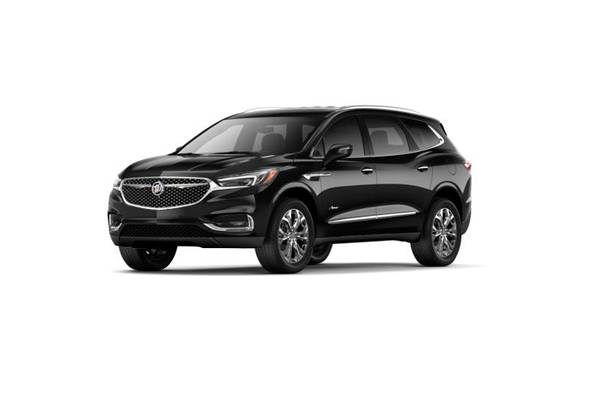
Located in Pembroke Pines, FL / 982 miles away from Columbus, OH
CARFAX One-Owner. Certified. Ebony Twilight Metallic 2018 Buick Enclave Avenir FWD 9-Speed Automatic 3.6L V6 SIDI VVT *ONE OWNER*, *NAVIGATION / GPS /...
Accident Free Vehicle: No
Personal Use Only: Yes
History Provider: AutoCheck
Title Details: Clean Title
Salvage Vehicle: No
Frame Damage: No
Theft History: No
Lemon Status: No
Free History Report: No
Features and Specs:
21 Combined MPG (18 City/26 Highway)
Listing Information:
VIN: 5GAERDKW6JJ204027
Stock: P204027
Certified Pre-Owned: Yes
Listed since: 01-31-2024

Located in Cincinnati, OH / 102 miles away from Columbus, OH
2019 Buick Encore Essence 4D Sport Utility 1.4L I4 SMPI Turbocharged DOHC 16V ULEV II 138hp FWD 6-Speed Automatic Electronic with Overdrive Recent Ar...
Accident Free Vehicle: Yes
Personal Use Only: Yes
History Provider: AutoCheck
Title Details: Clean Title
Salvage Vehicle: No
Frame Damage: No
Theft History: No
Lemon Status: No
Free History Report: No
Features and Specs:
Listing Information:
VIN: KL4CJCSM0KB742430
Stock: LU022672A
Certified Pre-Owned: No
Listed since: 01-08-2024

Located in Columbus, OH / 7 miles away from Columbus, OH
**ONE OWNER**, **LEATHER SEATS**, ** FULLY SERVICED BY CERTIFIED TECHNICIANS**, ** CLEANEST IN COLUMBUS **, **USB PORT**, **ALLOY WHEELS**, **TOUCH SC...
Accident Free Vehicle: No
Personal Use Only: Yes
History Provider: AutoCheck
Title Details: Clean Title
Salvage Vehicle: No
Frame Damage: No
Theft History: No
Lemon Status: No
Free History Report: No
Features and Specs:
21 Combined MPG (18 City/26 Highway)
Listing Information:
VIN: 5GAERBKW7NJ145614
Stock: U7152
Certified Pre-Owned: Yes
Listed since: 03-22-2024
* Delivery of any kind does not apply to Alaska and Hawaii. Contact the dealer for delivery details, restrictions and costs.